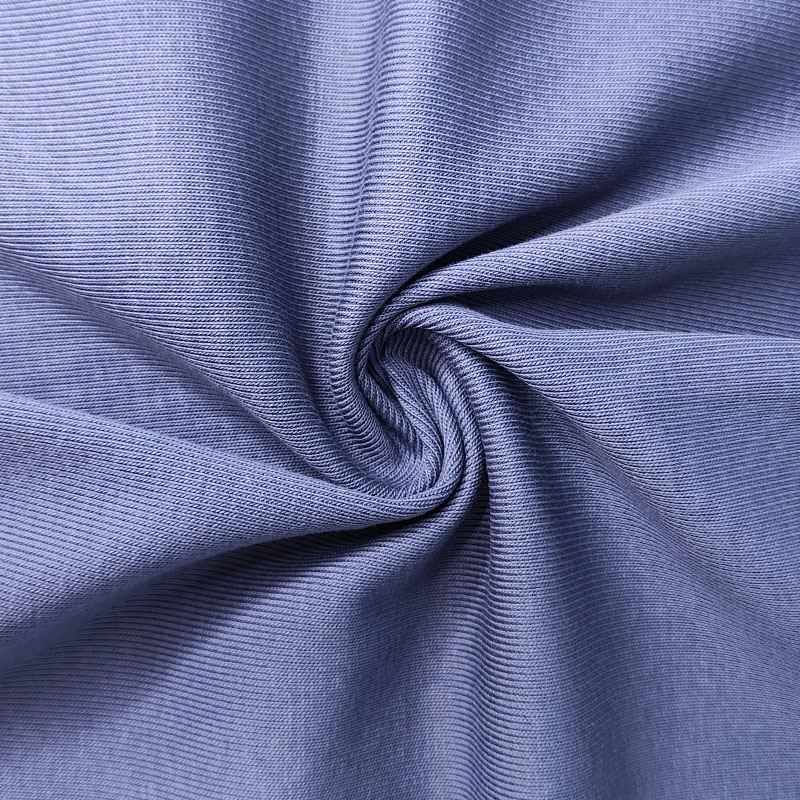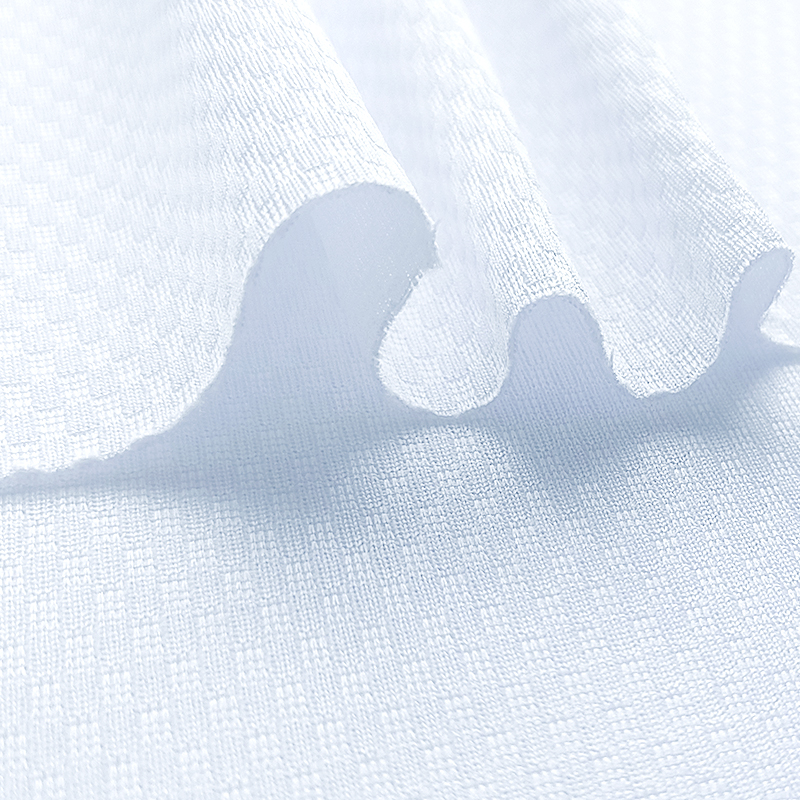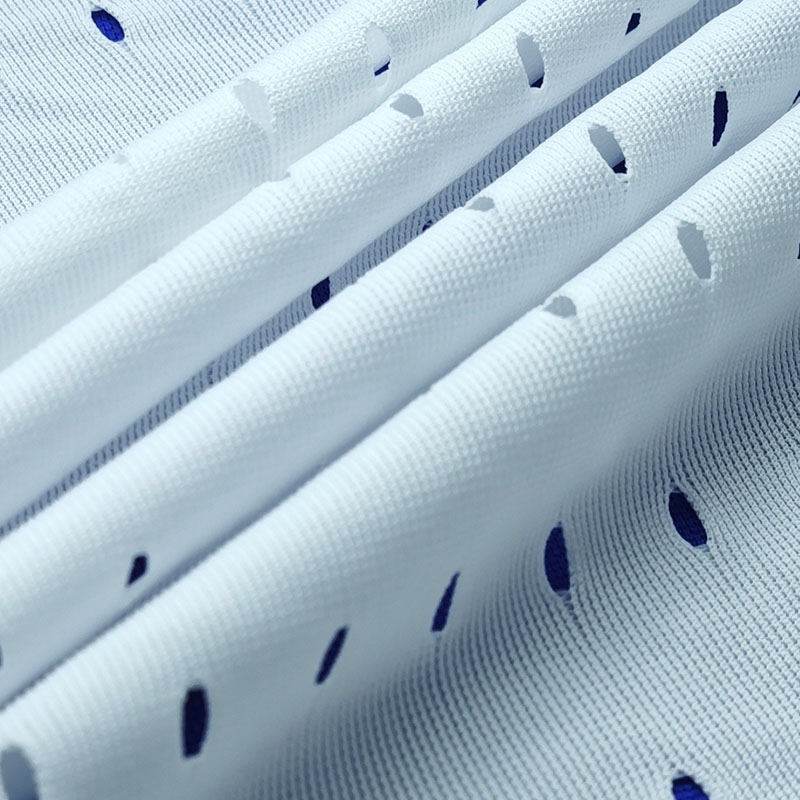
In the textile world, regenerated cellulose fibers hold a unique and important position. They retain the comfort of natural fibers while gaining improved performance through manufacturing processes. Although acetate, lyocell, modal, and rayon all belong to the "regenerated cellulose fiber" family, each possesses distinct characteristics. This article analyzes their differences and connections from multiple perspectives and introduces representative brands for each fiber.
These fibers share a common starting point: cellulose, a natural polymer derived from wood or cotton linters. Their essential difference lies in how raw materials are processed into fibers.
Rayon, the earliest regenerated cellulose fiber dating back to the late 19th century, uses the viscose process: cellulose reacts with sodium hydroxide and carbon disulfide to form a viscous viscose solution, which then solidifies into fiber through an acid bath. This process causes environmental pollution but pioneered human-made fiber technology.
Modal, developed by Austria's Lenzing AG in the 1950s, can be considered an upgraded version of rayon. It uses a modified viscose process with high-purity cellulose and special spinning technology, resulting in higher polymer chain orientation and greater wet strength.
Lyocell (branded as TENCEL™), the environmental pioneer introduced by Lenzing in the 1990s, employs an NMMO solvent-based closed-loop production process with a remarkable 99.7% solvent recovery rate, achieving near-zero pollution production.
Acetate follows a different chemical path—cellulose reacts with acetic anhydride to form cellulose acetate, which is then dissolved in acetone for spinning. This chemical modification makes its properties closer to synthetic fibers.
Rayon fabric features a smooth, cool feel and excellent drape with outstanding moisture absorption (11-13% moisture regain). However, it has low wet strength and is prone to deformation. It's commonly used in summer clothing, linings, and decorative fabrics.
Modal offers high wet modulus (maintaining strength when wet), excellent hand feel and drape, 50% higher moisture absorption than cotton, and low shrinkage. It's widely used in underwear, homewear, and high-end knitwear.
Lyocell combines the advantages of natural and synthetic fibers: cotton-like comfort, polyester-like strength, silk-like smoothness, plus strong moisture absorption and anti-bacterial properties. Its unique fibrillation characteristic can create special peach-skin effects.
Acetate features silk-like luster and smooth hand feel with good drape and thermoplasticity. However, it has poor moisture absorption (only 6-7% moisture regain), low strength, and poor alkali resistance. It's mainly used for high-end linings, women's apparel, and decorative fabrics.
As environmental concerns grow increasingly important, the production methods and sustainability of these fibers have become crucial evaluation criteria.
Traditional rayon scores low on environmental ratings due to its use of hazardous chemicals and difficult recycling process. Acetate has poor biodegradability because acetylation changes cellulose's structure.
Modal typically uses cellulose from sustainably managed beech forests, and its production process has less environmental impact than traditional viscose methods.
Lyocell represents the current environmental benchmark with its closed-loop production process, non-toxic and highly recyclable solvent, raw materials from sustainably managed forests, and biodegradable waste. It has received the European Award for the Environment from the EU.
• Mazza acetate fiber by Celanese
• Naia acetate fiber by Eastman Chemical
• Soalon by Mitsubishi Rayon
• TENCEL™ by Lenzing AG (market leader)
• Excel fiber by Birla Group
• Birla Excel by Birla Cellulose
• Lenzing Modal (market leader)
• Modal fiber by Shanghai Liou Fiber Development
• Modal fiber by Grasim Industries
• Viscose by Lenzing AG
• Birla Viscose by Aditya Birla Group
• Sateri viscose fiber by Sateri
These fibers are ubiquitous in our daily lives: Acetate is often used in high-fashion linings and elegant blouses; Lyocell is widely applied in denim, bedding, and high-end garments; Modal is the preferred material for premium underwear and homewear; Rayon is commonly found in summer dresses, shirts, and linings.
For example, the premium brand Allbirds uses Lyocell for eco-friendly footwear; lingerie giant Victoria's Secret extensively uses Modal material; many luxury brands use acetate as a silk alternative.
Consumers can distinguish these fibers through simple methods: acetate burns with a vinegar-like odor and melts into black hard lumps; rayon and modal burn like paper with little ash; lyocell leaves gray-white ash after burning.
For care: rayon requires careful hand washing; acetate is not alkali-resistant and should be washed with neutral detergents; modal and lyocell are relatively durable but still require following care label instructions.
From rayon to lyocell, the development of regenerated cellulose fibers demonstrates humanity's continuous exploration of materials science. This progress has not only improved fiber performance but also increasingly focuses on environmental sustainability. Understanding these fibers' characteristics and background helps us make informed purchasing decisions while supporting the textile industry's sustainable development.
As technology advances, we will likely see more high-performance, low-environmental-impact fibers emerge. However, as important milestones in this evolutionary journey, acetate, lyocell, modal, and rayon will continue to play their unique roles in the textile field.