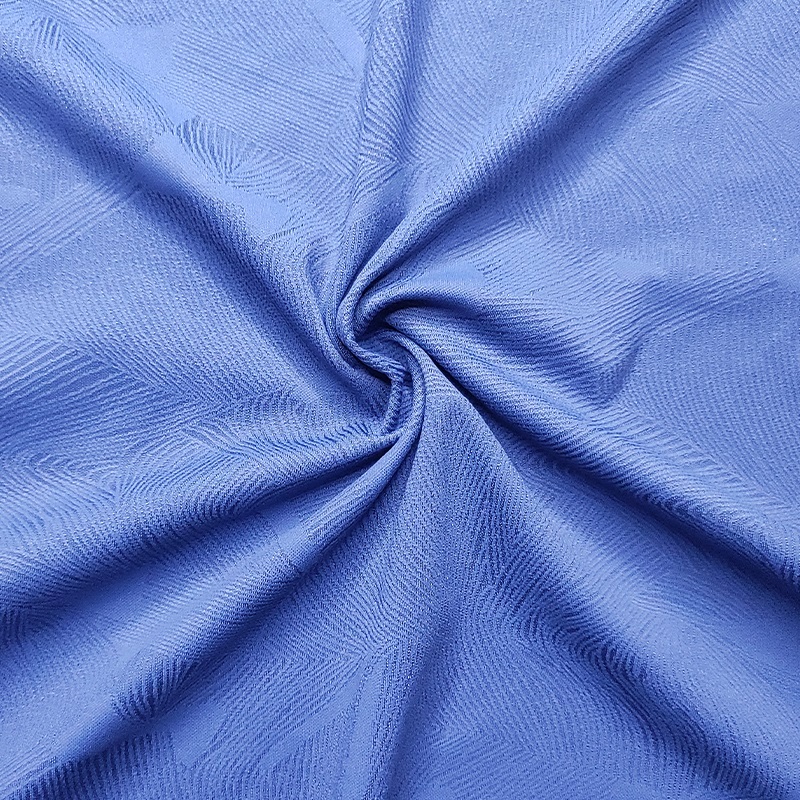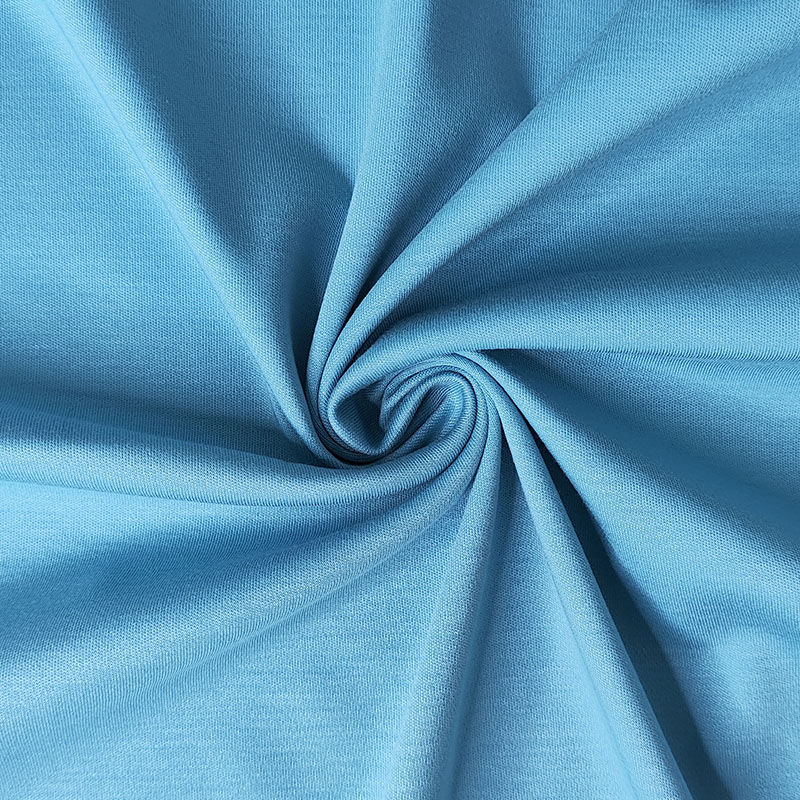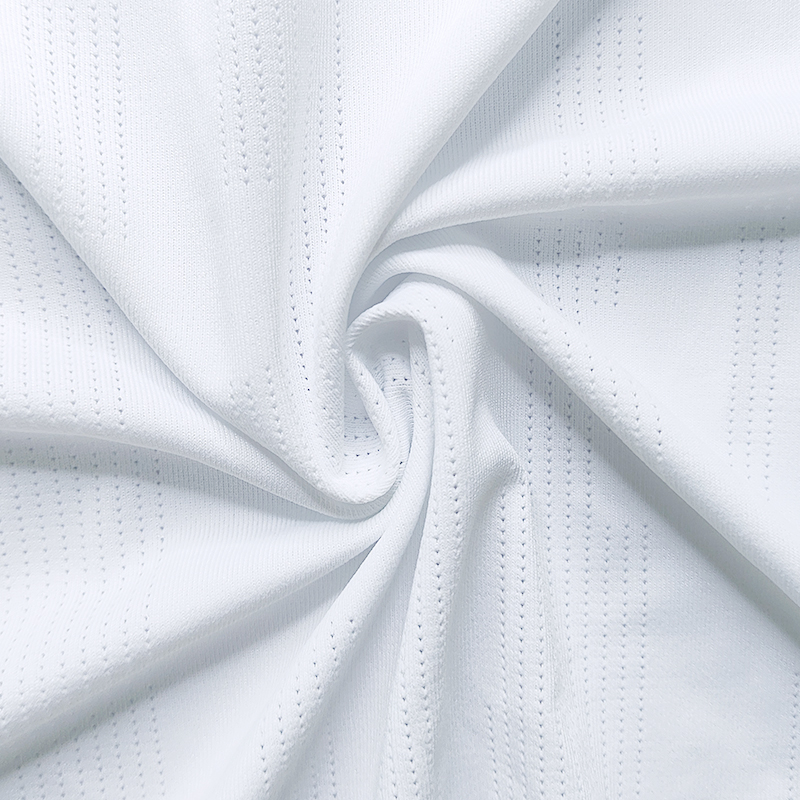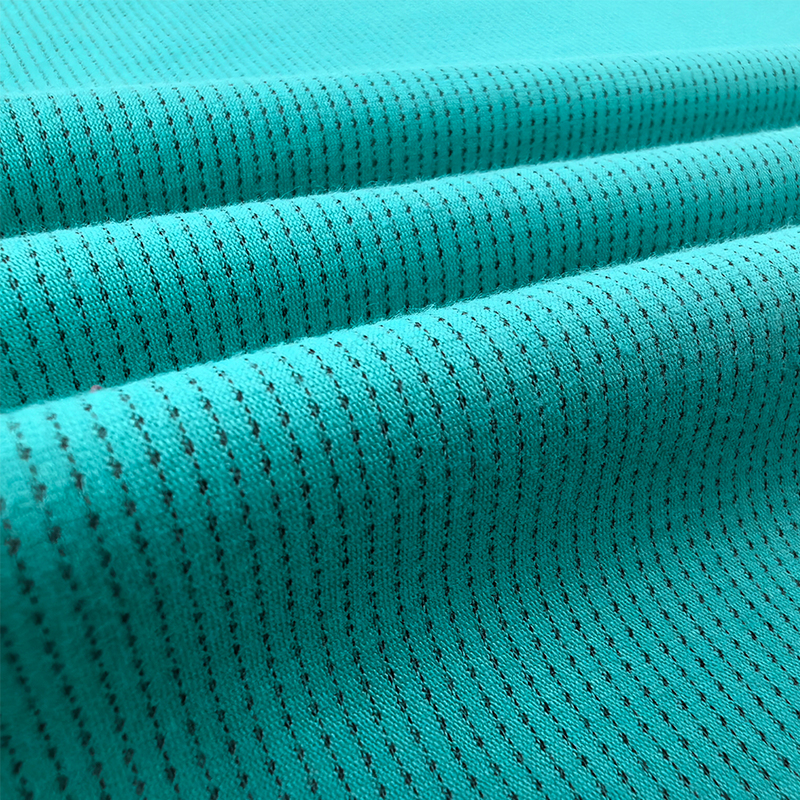
In recent years, fitness and wellness have become deeply integrated into modern lifestyles, with yoga emerging as one of the most embraced practices worldwide. This growing interest in yoga has fueled a parallel demand for high-performance, comfortable, and sustainable apparel. At the heart of this demand lies yoga wear fabric, a specialized textile designed to support flexibility, breathability, and durability. East Xinwei Textile Technology Co. Ltd., a vertically integrated leader in textile manufacturing, has positioned itself at the forefront of this movement, supplying high-quality fabrics to global activewear brands.
Traditionally, yoga clothing was made from cotton-based materials that, while soft, lacked the performance features needed for today's dynamic yoga sessions. With the evolution of yoga into high-intensity formats like power yoga and hot yoga, athletes and casual practitioners alike began to seek advanced yoga wear fabric that could stretch, wick moisture, and endure repeated use. East Xinwei's production capabilities, which include recycled polyester and nylon blends, are designed precisely to meet these modern requirements. The company's commitment to 72-hour rapid prototyping ensures brands can quickly adapt to shifting market preferences without compromising quality.
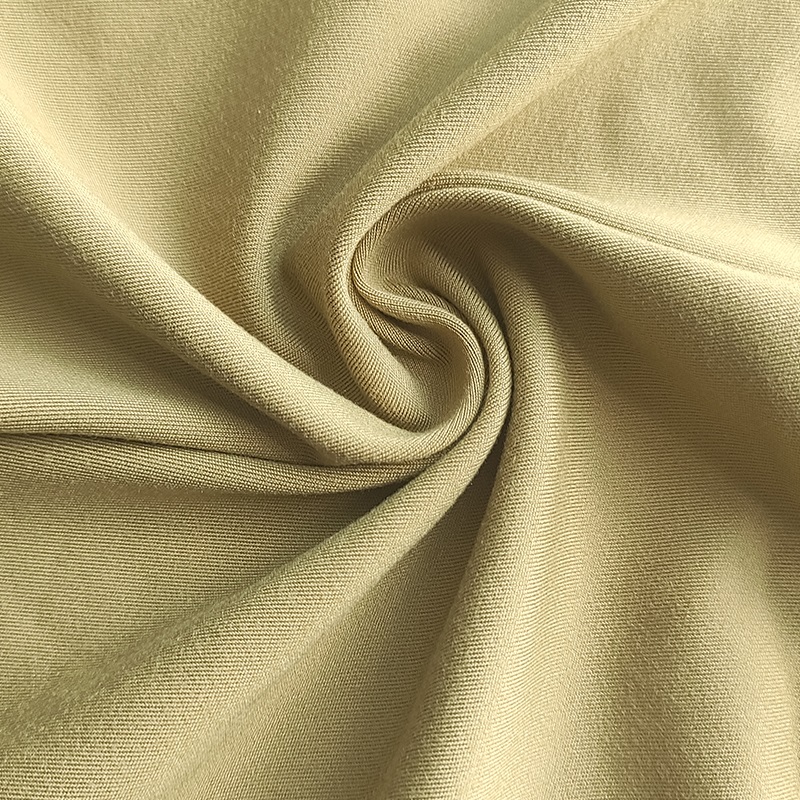
What sets high-performance yoga wear apart is not just its look or feel, but the science behind its functionality. Fabrics developed specifically for yoga must strike a balance between softness and strength, elasticity and compression, breathability and moisture control. East Xinwei, with its GRS, OEKO-TEX, and ISO certifications, ensures each yard of fabric meets these technical expectations while aligning with eco-conscious standards. The fabric must move with the body while holding its shape, and it must allow air to circulate while drawing sweat away from the skin. These complex needs have transformed yoga wear fabric into a blend of textile engineering and ergonomic design.
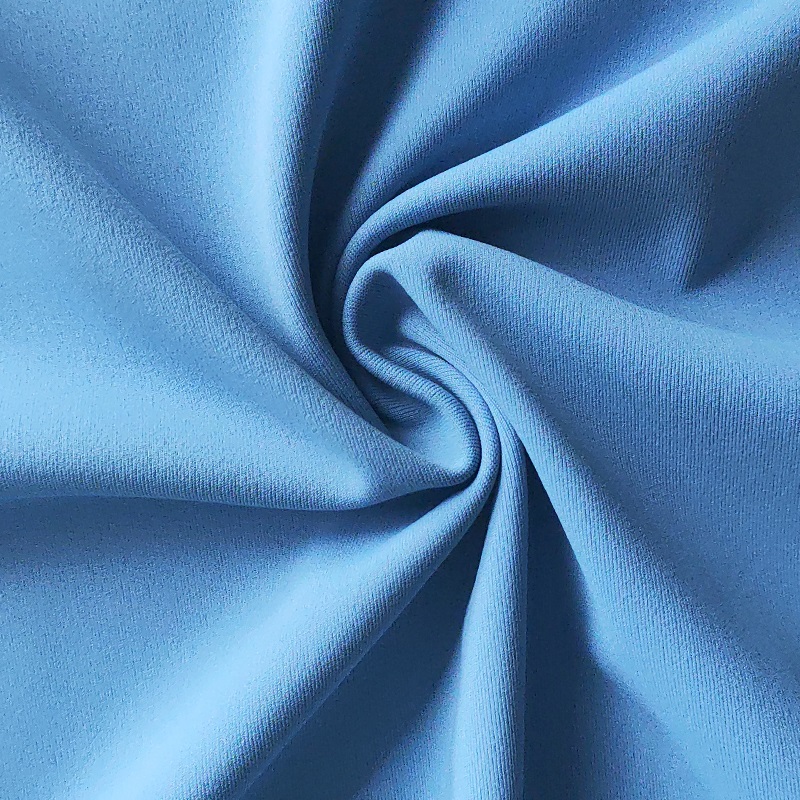
As yoga continues to define its unique identity within the fitness industry, so too has its apparel. While general sportswear fabric might prioritize abrasion resistance or support for rapid movement, yoga wear places a greater emphasis on comfort, stretch, and seamlessness. The table below outlines the key differences:
Attribute | Yoga Wear Fabric | General Sportswear Fabric |
Stretchability | High 4-way stretch for full flexibility | Moderate, often 2-way stretch |
Moisture-wicking | Prioritized for sweat absorption | Balanced with durability |
Surface softness | Ultra-soft for comfort during poses | Often slightly coarse or textured |
Compression level | Gentle compression for support | Higher compression for impact sports |
Seams and fit | Seamless or flat-seamed for comfort | Structured seams for high-impact zones |
This distinction highlights why yoga wear fabric cannot be simply replaced by conventional sportswear materials.
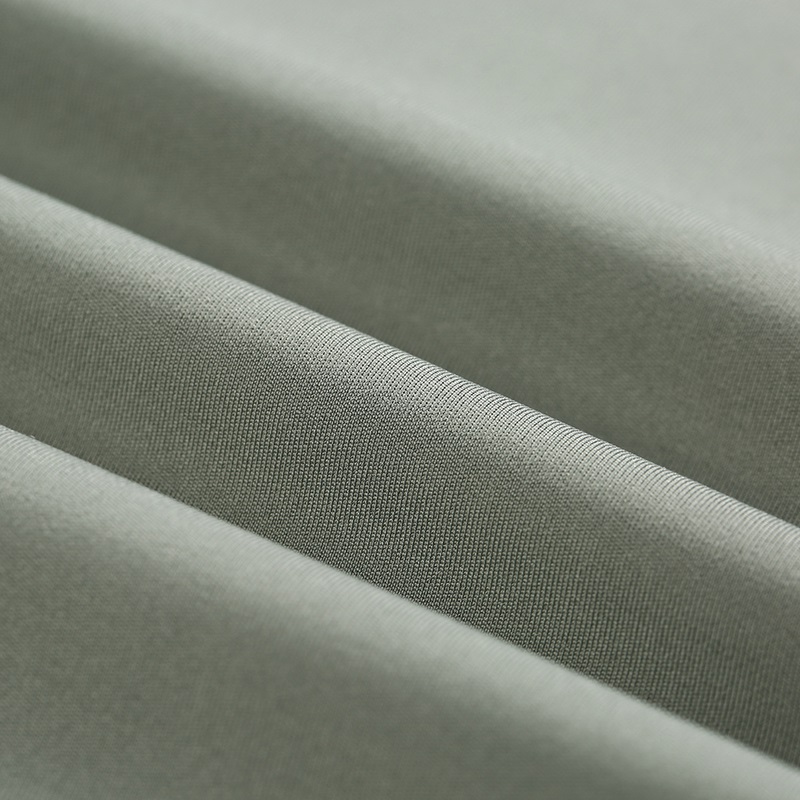
As yoga promotes balance, mindfulness, and sustainability, it's only natural that yoga enthusiasts gravitate toward brands offering eco-friendly options. East Xinwei's use of recycled textile materials and its commitment to sustainable manufacturing reflect a deeper alignment with the values of modern yoga practitioners. The company's integrated approach—from spinning to dyeing under one roof—not only ensures product traceability but also minimizes environmental impact. This transparent, responsible production process adds another layer of appeal to their yoga wear fabric offerings.
The rise of yoga wear fabric goes beyond textile innovation—it represents a shift in how people engage with their bodies, their environment, and their values. East Xinwei's leadership in producing high-performance, sustainable fabrics speaks to the industry's future: one where function meets ethics, and innovation meets tradition. As yoga continues to influence fashion, health, and consumer expectations, the fabric that supports this journey will remain an essential part of the story.