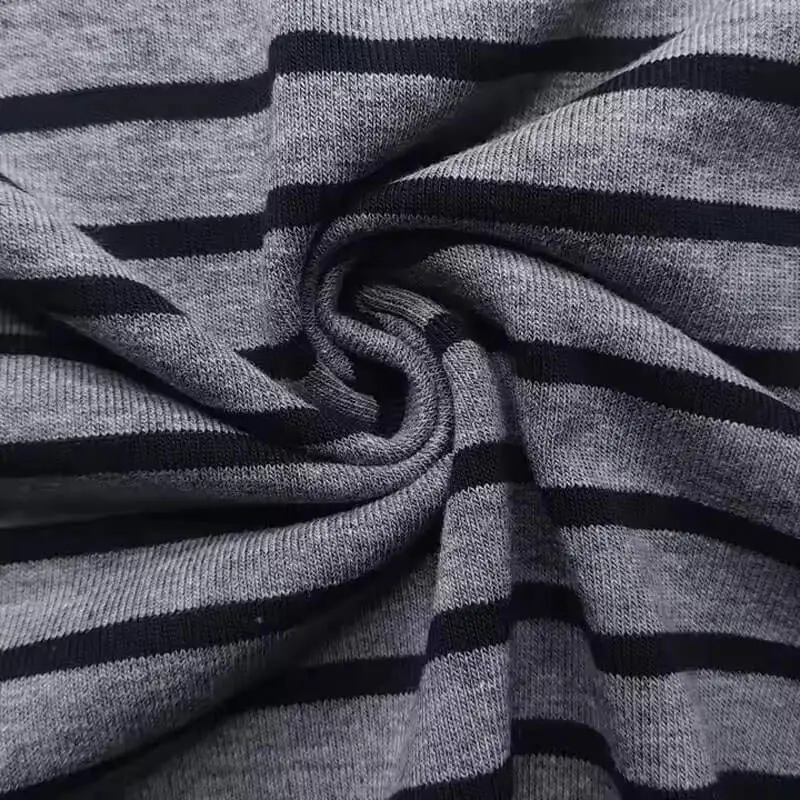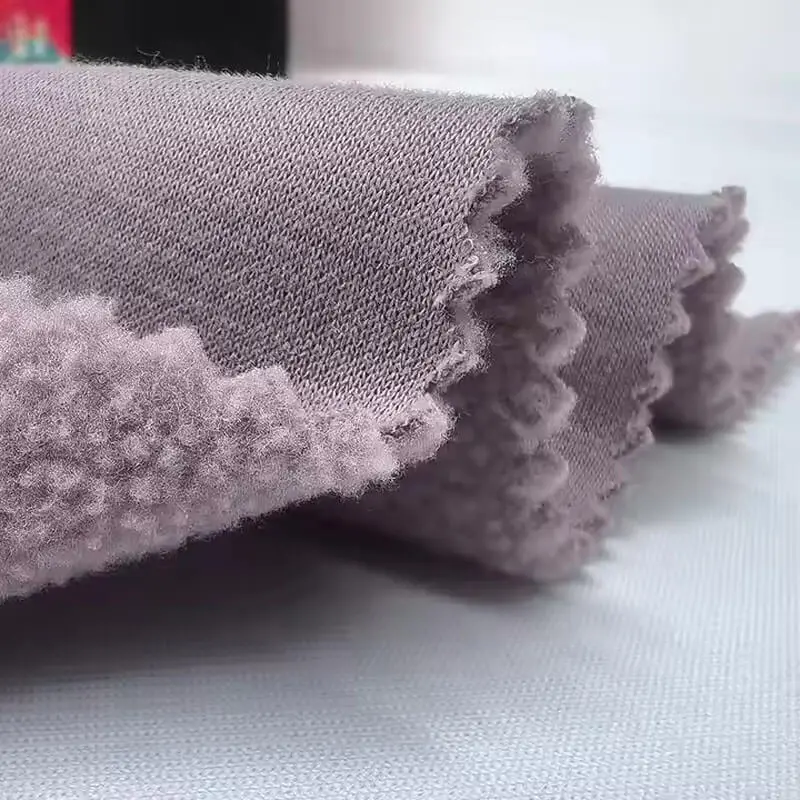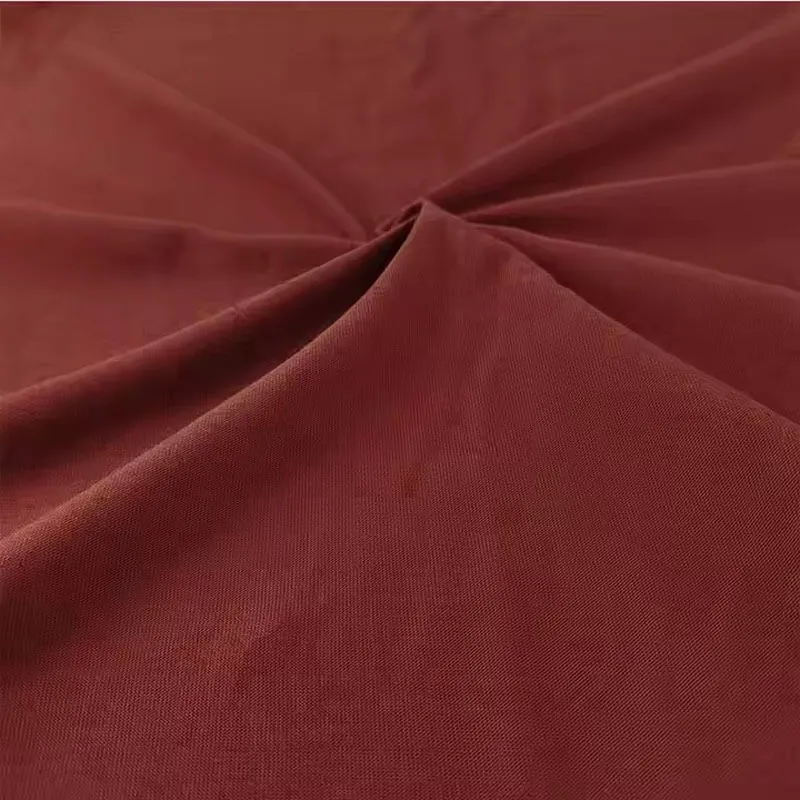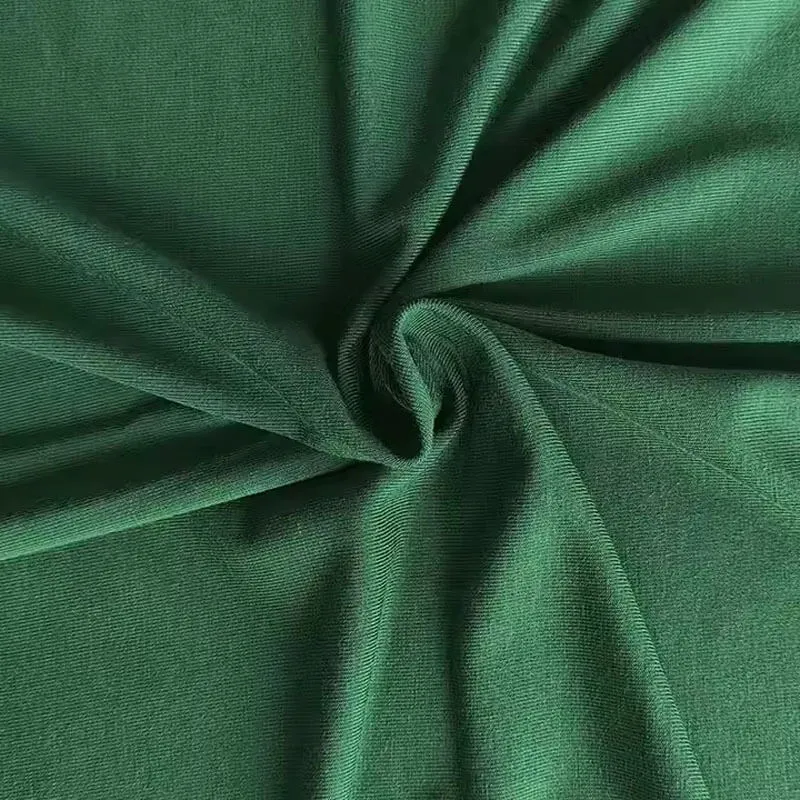

Workwear: Flame-resistant uniforms (e.g., welding protection), anti-static overalls.
Casualwear: T-shirts, jeans, yoga pants.
Medical Textiles: Hypoallergenic scrubs, patient gowns.
Sportswear: Lightweight hoodies, gym socks.
Underwear: Soft, skin-friendly basics.
Industrial Uniforms: Wrinkle-resistant shirts, durable workwear.
Sportswear: Quick-drying jerseys, compression gear.
Formalwear: Structured dress shirts, suits (blended for stiffness).
Outdoor Apparel: Weather-resistant jackets, hiking pants.
Protective Clothing: Abrasion-resistant coveralls.
CVCprioritizes breathabilityand natural comfortfor sensitive or low-intensity uses.
TC emphasizes durabilityand easy maintenancefor high-stress environments.
For specific certifications or standards (e.g., flame resistance), refer to composition labels or testing protocols
| Criteria | CVC (≥60% Cotton) | TC(≥60% Polyester) |
| Primary Fiber | Cotton (≥60%) | Polyester (260%) |
| Key Properties | Soft, breathable, hypoallergenic Moderate wrinkle resistance Higher moisture absorption | Wrinkle-resistant, durable Quick-drying. stiff texture Poor moisture absorption |
Strengths | Natural comfort, skin-friendly Better heat retention | Shape retention, low shrinkage Cost-effective, easy maintenance |
| Weaknesses | Prone to shrinkage/pilling Requires ironing | Static buildup, attracts dust Less breathable |
Common Uses | Casualwear (T-shirts, jeans) Medical textiles | Uniforms, workwear Industrial fabrics |
Dyeing & Color | Natural dyes, muted tones Moderate colorfastness | Bright, vibrant colors Superior color retention |
Static Charge | Low (cotton-dominant) | High (polyester-dominant) |
Burn Test | Charred residue (cotton-like) | Melts with black smoke (plastic-like) |
| Price | Higher (due to cotton content) | Lower(synthetic dominance) |
Partner with Fujian East Xinwei Textile for premium sportswear and sustainable fabrics. Contact us today to customize your textile solutions with quality, innovation, and reliability you can trust.