
Function fabrics excel at maintaining optimal body temperature and managing sweat. For instance:
Phase-change materials like EvenTemp™ use microcapsules to absorb or release heat, balancing warmth and cooling during activity.
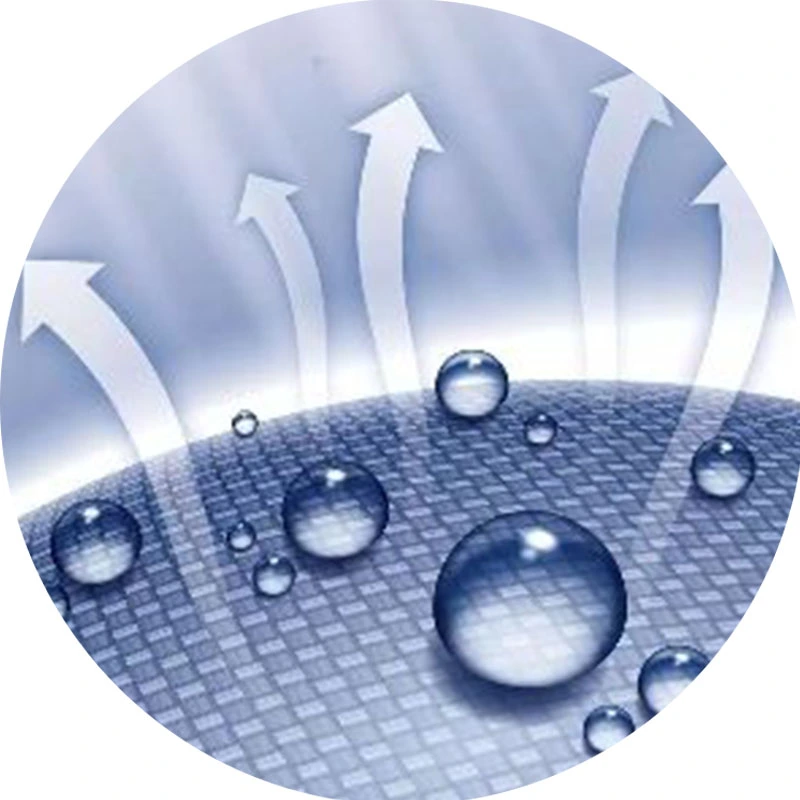
Moisture-wicking synthetics (polyester, nylon) draw sweat away from the skin, while breathable membranes(e.g., CAMEL-TEX) allow vapor escape without compromising waterproofing.
Far Infrared (FIR) technology in bioceramic-infused fabrics enhances blood circulation, reducing muscle fatigue and accelerating recovery.
Advanced knitting and fiber engineering ensure flexibility and longevity:
4D stretch fabrics with spandex blends provide unrestricted movement for activities like yoga or climbing.
Ripstop weavesand laminated layers (e.g., ocean-recycled nylon triple ripstop) resist tearing and abrasion in harsh environments.
Flatlock seams minimize chafing, whileUV-resistant coatingsprotect against sun damage during prolonged outdoor exposure.
Function fabrics prioritize eco-conscious production:
Recycled materials like Econyl® (from fishing nets) and rPET (plastic bottles) reduce reliance on virgin resources and lower carbon footprints.
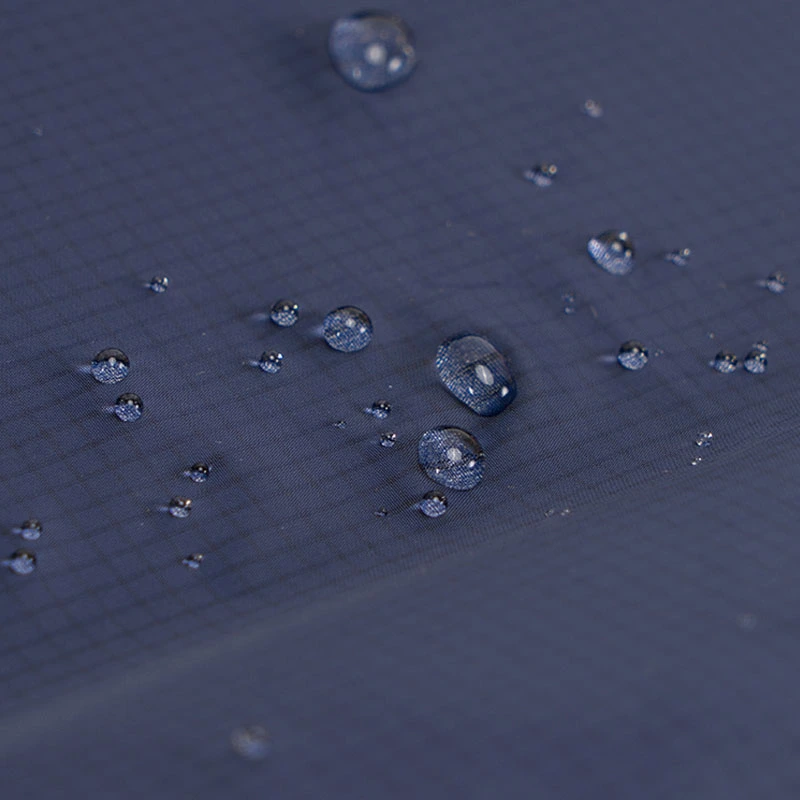
Fluorine-free waterproofingand low-energy manufacturing processes align with certifications like GRS (Global Recycled Standard).
Bamboo-polyester blendsoffer biodegradable alternatives with natural antibacterial properties.
Integration of technology transforms fabrics into interactive systems:
Body-coupled fibersgenerate energy from movement, powering wearable sensors for real-time health monitoring (e.g., heart rate, glucose levels).
Color-changing or luminescent textilesadapt to environmental conditions, enhancing visibility in low-light settings.
Self-powered heating fabricswith MXene photothermal coatings maintain warmth in extreme cold, as seen in smart ski jackets.
Tailored solutions address niche demands:
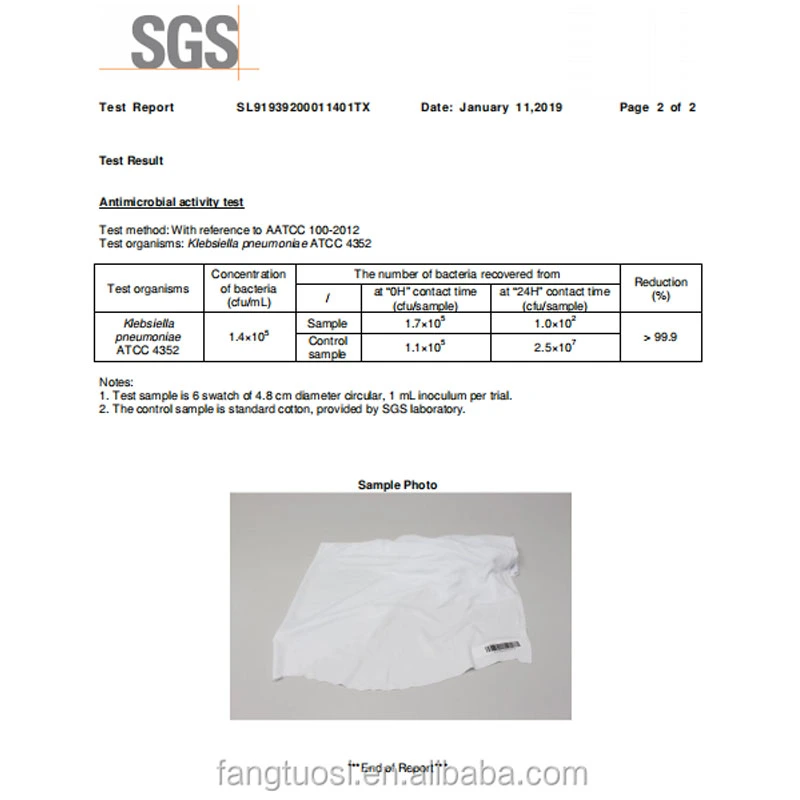
Antimicrobial treatments (e.g., SuperSilva™ with silver ions) combat odor-causing bacteria in high-sweat scenarios.
Waterproof-breathable membranes (e.g., e-PTFE microporous films) block rain while allowing vapor escape, critical for mountaineering.
Compression technologyimproves blood flow and reduces muscle vibration, boosting endurance in athletes
From spinning and weaving to knitting, dyeing, and finishing, all processes are managed under one roof, ensuring seamless quality control and efficiency for functional fabrics.
As a trusted fabric manufacturer, we provide competitive rates and reliable worldwide delivery, supporting brands in the textile industry with sustainable, high-performance fabric solutions.
With 78,000㎡ dyeing lines, 83,000㎡ knitting mills, and over 15,000 tons of grey fabric produced monthly, we deliver bulk polyester and nylon fabrics to meet global clients demands.
Our fabrics are certified by GRS, OEKO-TEX®, and ISO, with rigorous lab testing for durability, colorfastness, UV protection, and stretch, ensuring top-tier functional textiles.
Receive custom fabric samples within 72 hours, enabling faster product development and market readiness for your athletic and technical apparel.



Function fabric, also known as functional textile or functional fabric, is a category of advanced fabric materials designed to go beyond basic coverage. These textiles incorporate specialized properties to meet specific demands in athletic fabric, jersey fabric, and beyond. Common technologies include:
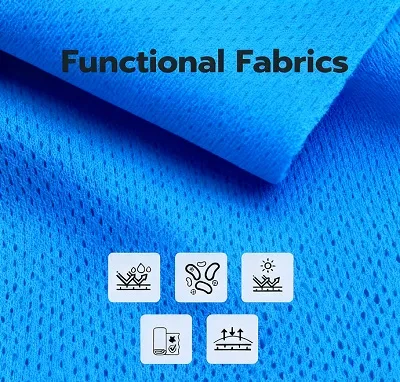
Moisture-wicking and quick-dry properties
UV protection and UPF50 ratings
4-way stretch for unrestricted movement
Waterproof-breathable laminates
Antibacterial and odor-resistant treatments
Use of eco-friendly fibers, including recycled polyester fabric and ocean-recycled nylon fabric, combining sustainability with high performance
Sportswear & Activewear: Cycling, running, yoga, gym apparel
Swimwear & Beachwear: Chlorine-resistant, quick-dry fabrics
Workwear & Uniforms: Durable, breathable, antibacterial

Functional fabrics are created through various methods, such as:
Fiber Modification: Incorporating functional properties directly into the fibers during production.
Coating or Laminating: Applying functional layers onto the fabric surface.
Blending: Combining different fibers to achieve desired functionalities.
Many functional fabrics are produced using sustainable practices. For instance, recycled polyester (rPET) and ocean-recycled nylon are commonly used to create eco-friendly functional textiles. These materials help reduce waste and the environmental impact of textile production.
Selecting the appropriate functional fabric depends on the specific requirements of your product. Consider factors like the desired functionality (e.g., moisture-wicking, UV protection), the intended use (e.g., sports, outdoor activities), and the environmental conditions the fabric will be exposed to. Consulting with a fabric supplier can provide valuable insights tailored to your needs.