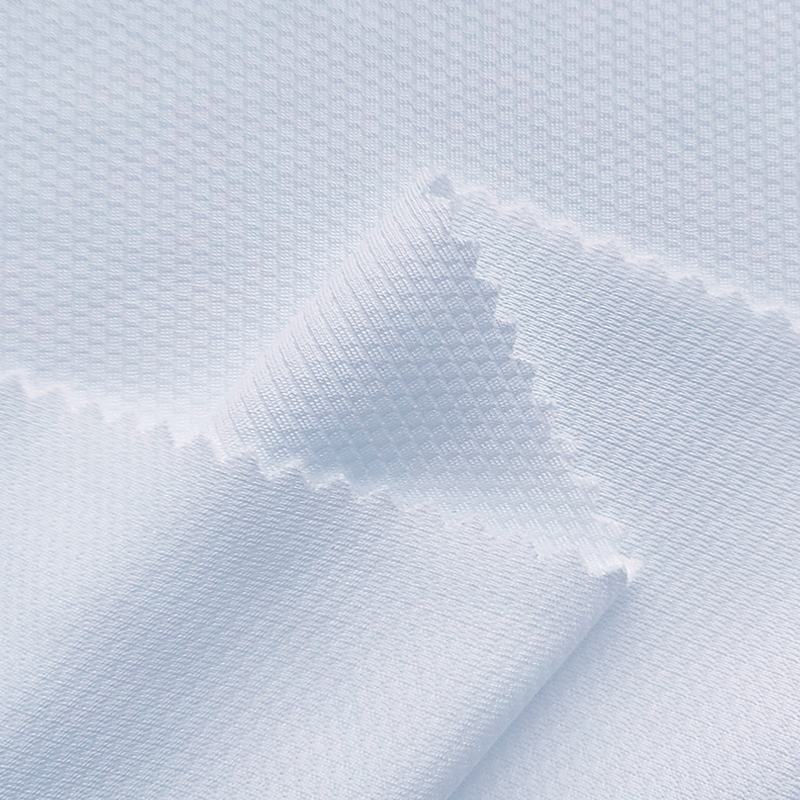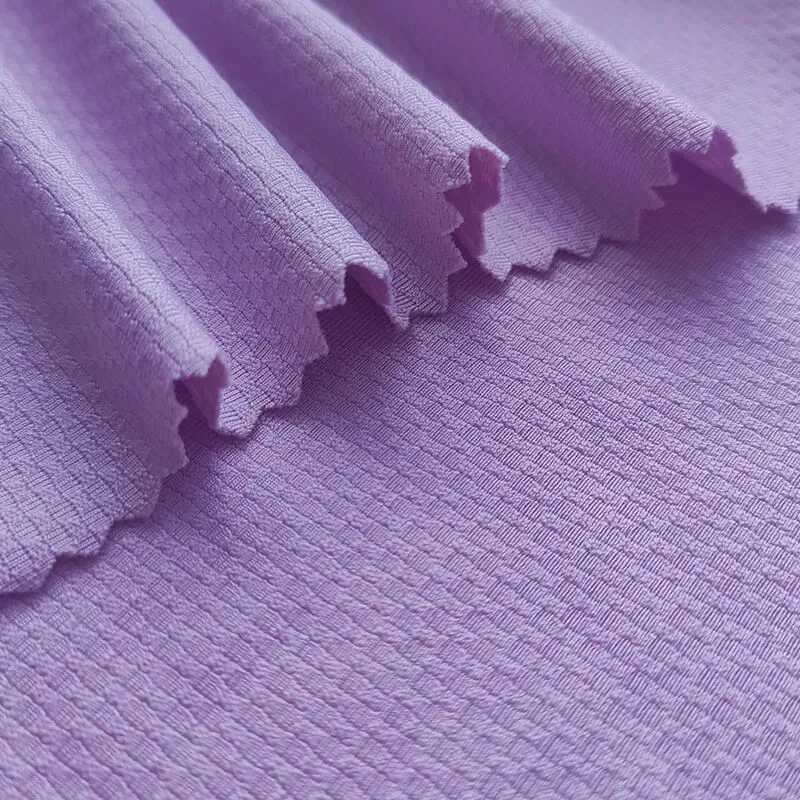

UPF50+ blocks 98% of UV radiation, surpassing lower-rated fabrics (e.g., UPF30 blocks 97.4%) and offering 20x more protection than untreated cotton (UPF 5-8).
It provides full-spectrum defense against both UVA (skin aging) and UVB (sunburn) rays.
Unlike sunscreen, UPF50 protection is permanent and wash-resistant, maintaining efficacy for 3-5 years with proper care.
Fabrics integrate breathable mesh panelsand moisture-wicking properties, ideal for sports like hiking or swimming.
Leading brands (e.g., Patagonia, UV Skinz) use UPF50+ as a benchmark for quality, backed by third-party certifications.
Outdoor professionals, including military personnel, rely on UPF50 gear for long-term sun exposure safety.
Brands like Tasc Performanceblend UPF50 fabrics with organic cotton or bamboo viscose, balancing eco-friendliness and performance.
Innovations such as recycled polyesterand biodegradable fibers align with global sustainability goals.
UPF50 clothing reduces cumulative UV damage, lowering risks of skin cancer and photoaging.
Recommended for high-risk groups (e.g., children, outdoor workers) due to its reliable, chemical-free protection.
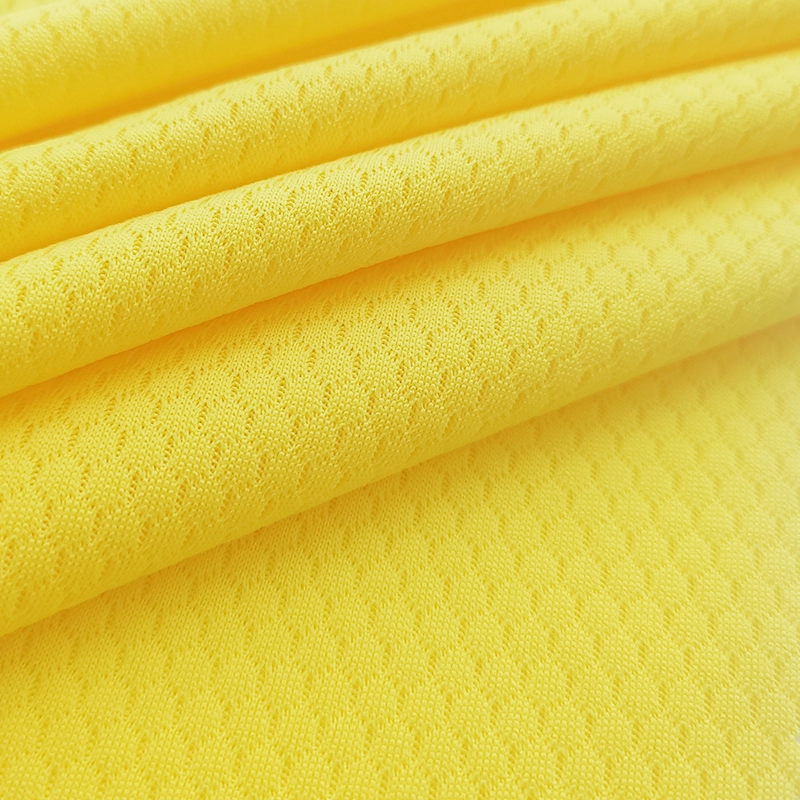
UPF50 fabrics are primarily made from synthetic fibers like polyester or nylon, which inherently have dense molecular structures that naturally block UV radiation.
Advanced treatments such as titanium dioxide (TiO₂) or zinc oxide (ZnO) coatingsenhance UV absorption by reflecting or scattering harmful rays.
Tightly woven fabrics minimize gaps between fibers, reducing UV penetration. For example, denim or high-density polyesterachieves UPF50+ by blocking over 98% of UV rays.
Specialized weaving techniques (e.g., 3D jacquard) improve fabric density while maintaining breathability.
UV-absorbing dyes and finishes are applied to fabrics to convert UV radiation into harmless heat.
Darker colors (e.g., navy blue, black) enhance UV absorption, while lighter shades rely on chemical additives for equivalent protection.
UPF50 fabrics undergo rigorous testing under AATCC 183 and AS/NZS 4399 standards to ensure they block ≥98% of UVA/UVB rays.
Lab simulations replicate extreme conditions (e.g., wet fabric) to verify durability
Partner with Fujian East Xinwei Textile for premium sportswear and sustainable fabrics. Contact us today to customize your textile solutions with quality, innovation, and reliability you can trust.