Hot-weather exercise can feel demanding even before a workout begins. High temperatures, direct sunlight, humidity, and perspiration all affect how comfortable sportswear feels during running, cycling, gym training, hiking, and outdoor yoga.
The right clothing cannot change the weather, but it can help the body manage heat and moisture more comfortably. This is where cooling fabric becomes valuable. By combining suitable fibers, lightweight knitting structures, airflow, moisture management, and functional finishing, cooling sportswear can create a fresher and lighter wearing experience during summer activities.
For consumers choosing warm-weather activewear, comfort depends not only on appearance. Breathability, drying speed, stretch, softness, and garment construction all influence how clothing performs during movement.
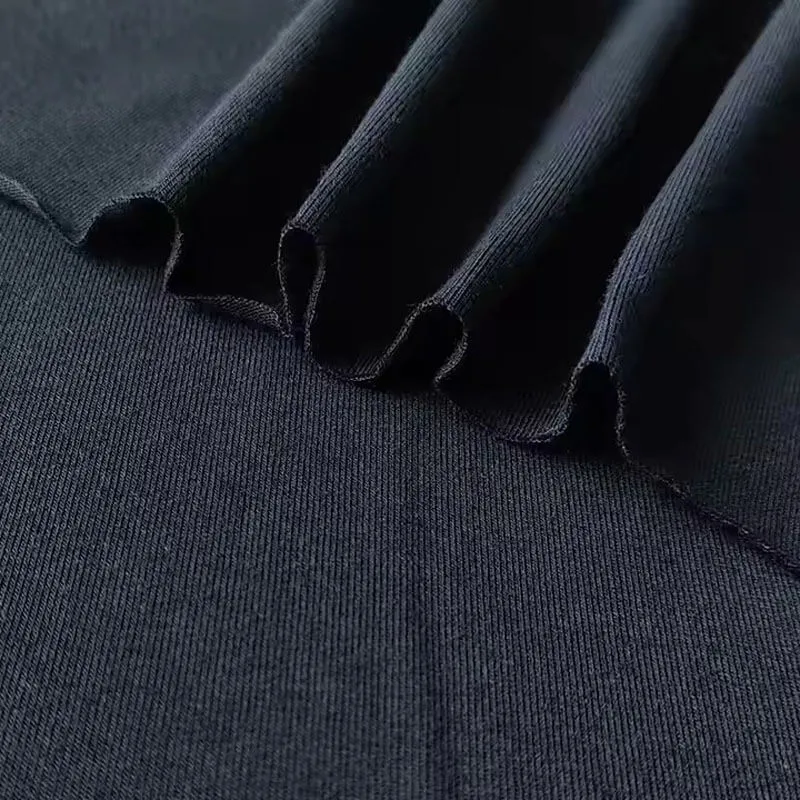
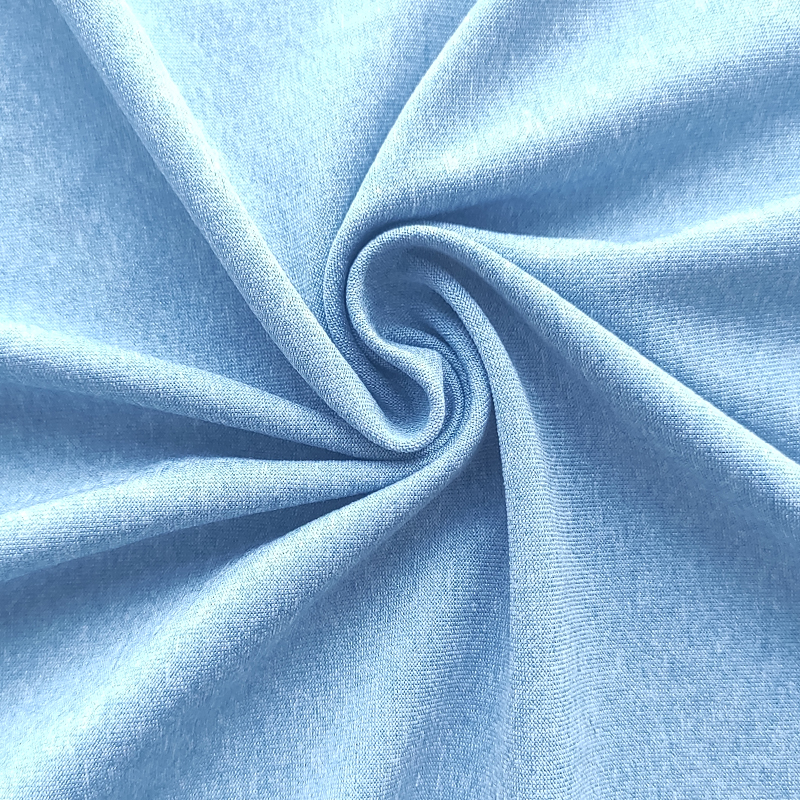
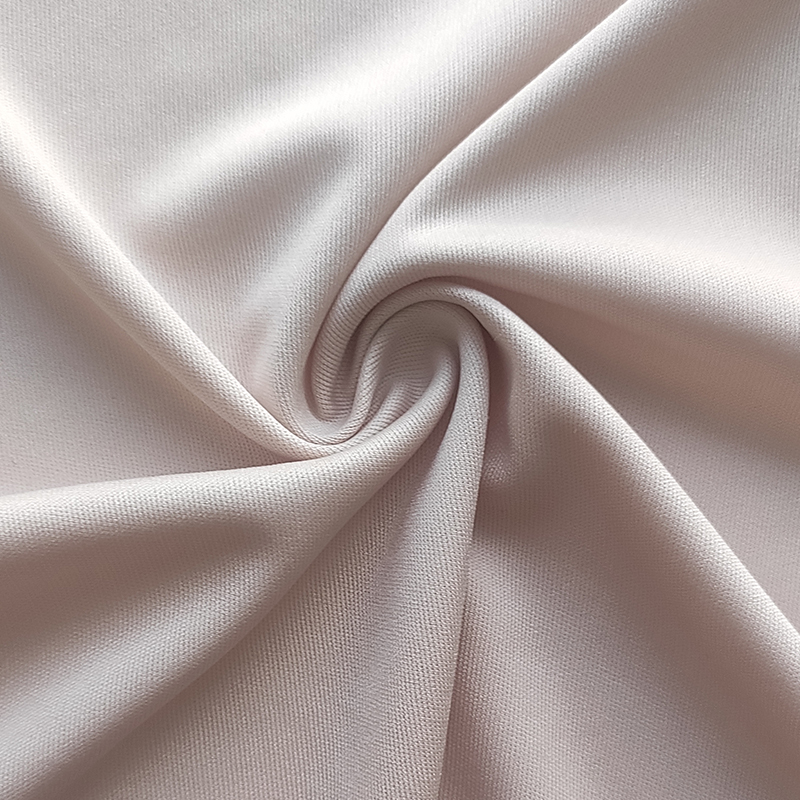
Cooling fabric is a functional textile developed to support a cooler, drier, and more comfortable feeling during wear. It may use specially selected fibers, yarn structures, knitted surfaces, or cooling finishes to reduce the heavy and sticky sensation often associated with hot-weather clothing.
Some cooling textiles provide a cool-touch sensation when they first contact the skin. Others improve comfort by spreading perspiration, increasing airflow, or helping moisture evaporate more efficiently.
A well-designed cooling sportswear fabric may include several characteristics:
Lightweight construction
Breathable knitting
Moisture spreading
Quick-dry performance
Smooth contact with the skin
Flexible stretch
Low moisture retention
Cooling performance should be viewed as a complete fabric system rather than a single feature. Fiber composition, yarn type, GSM, knitting density, surface texture, and finishing process all contribute to the final wearing experience.
For example, a lightweight mesh fabric may support airflow, while a smooth jersey construction may provide softer skin contact. A stretch interlock fabric can offer coverage and flexibility for fitted activewear.
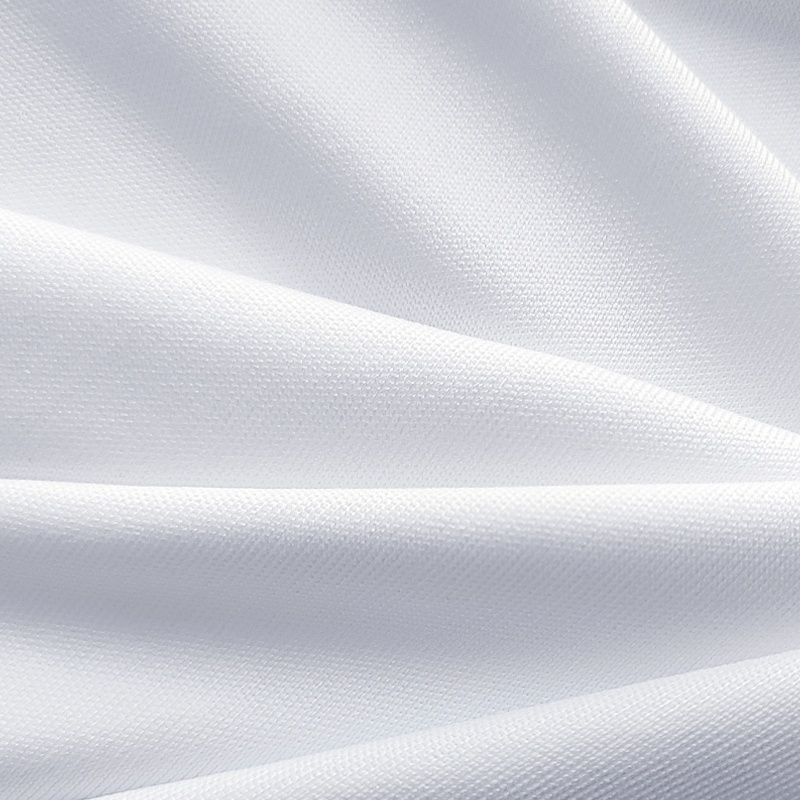
During physical activity, the body produces perspiration to help regulate temperature. If clothing holds too much moisture against the skin, it may begin to feel heavy, damp, and uncomfortable.
A suitable summer workout fabric helps manage this moisture by moving it across the textile surface and exposing it to airflow. This supports faster evaporation and reduces the amount of sweat concentrated in one area.
Cooling activewear can improve comfort in several ways.
First, breathable knitting structures allow warm air to escape more easily. Mesh, bird-eye, honeycomb, and lightweight jersey constructions are commonly used in summer sportswear because they create space for airflow.
Second, moisture wicking fabric helps move perspiration away from the inner surface of the garment. This prevents moisture from remaining concentrated next to the skin.
Third, quick dry fabric helps the garment release moisture more efficiently. This is useful during long workouts, repeated training sessions, and outdoor travel.
Finally, lightweight and flexible fabrics reduce the feeling of restriction. They allow the garment to move naturally with the body during stretching, running, cycling, and strength training.
Cooling clothing is not only about feeling cold. Its main value is helping the wearer remain lighter, drier, and more comfortable throughout activity.
Cooling textiles can be used across many summer activities and garment types.
Running creates continuous body heat and perspiration. Lightweight breathable sportswear with moisture management can help reduce discomfort during outdoor or treadmill sessions.
Suitable garments include running T-shirts, sleeveless tops, shorts, and lightweight jackets.
Gym clothing needs freedom of movement as well as moisture control. Cooling polyester jersey, mesh panels, and stretch fabrics can be used for training tops, leggings, sports bras, and fitted shorts.
Cycling garments remain close to the body for extended periods. A smooth, quick-drying fabric can provide comfort, while strategically placed mesh panels may increase ventilation around the back and underarm areas.
Summer hiking requires clothing that remains comfortable through changes in temperature and activity level. Cooling T-shirts, lightweight long-sleeve tops, and UV-protective garments can support outdoor comfort.
Outdoor yoga, Pilates, and stretching require soft, flexible fabrics that move with the body. Cooling stretch fabrics can combine a smooth hand feel with moisture management and four-way stretch.
Performance materials are also suitable for travel, commuting, and casual clothing. Cooling polo shirts, T-shirts, dresses, and athleisure garments can provide everyday comfort without looking overly technical.
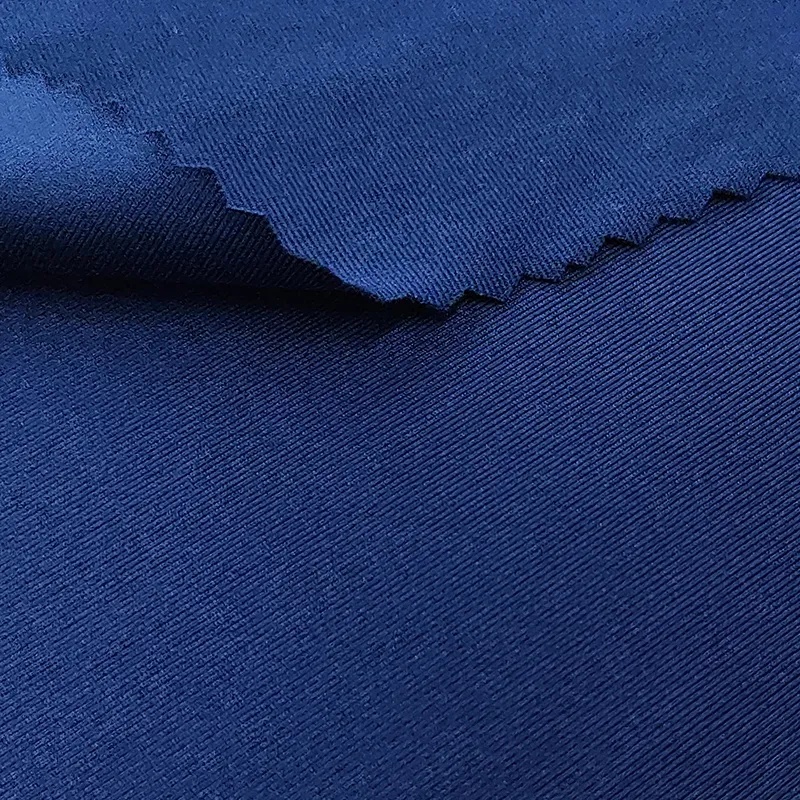
Consumers can evaluate several features when selecting clothing for hot-weather exercise.
Breathability: Look for lightweight knitted structures, mesh panels, or textured surfaces that allow air to move through the garment.
Moisture management: A good sportswear fabric should help spread perspiration rather than allowing it to remain concentrated against the skin.
Drying speed: Fast-drying garments are particularly useful for running, travel, gym sessions, and repeated wear.
Softness: Summer activewear should feel smooth and comfortable, especially around the neck, underarms, waist, and other high-contact areas.
Stretch: Flexible fabrics support natural movement during exercise. Leggings, cycling apparel, yoga wear, and fitted tops usually benefit from four-way stretch.
Garment fit: A very tight garment may feel warmer if the fabric has limited airflow. A relaxed or body-mapped design can improve comfort depending on the activity.
Outdoor protection: For running, hiking, cycling, and water sports, consumers may also look for UPF protection.
Care instructions: Proper washing helps maintain softness, stretch, moisture management, and surface quality. Following the garment label is the safest way to preserve performance.
No single feature determines comfort. The best summer activewear combines appropriate fabric, garment design, fit, and intended use.
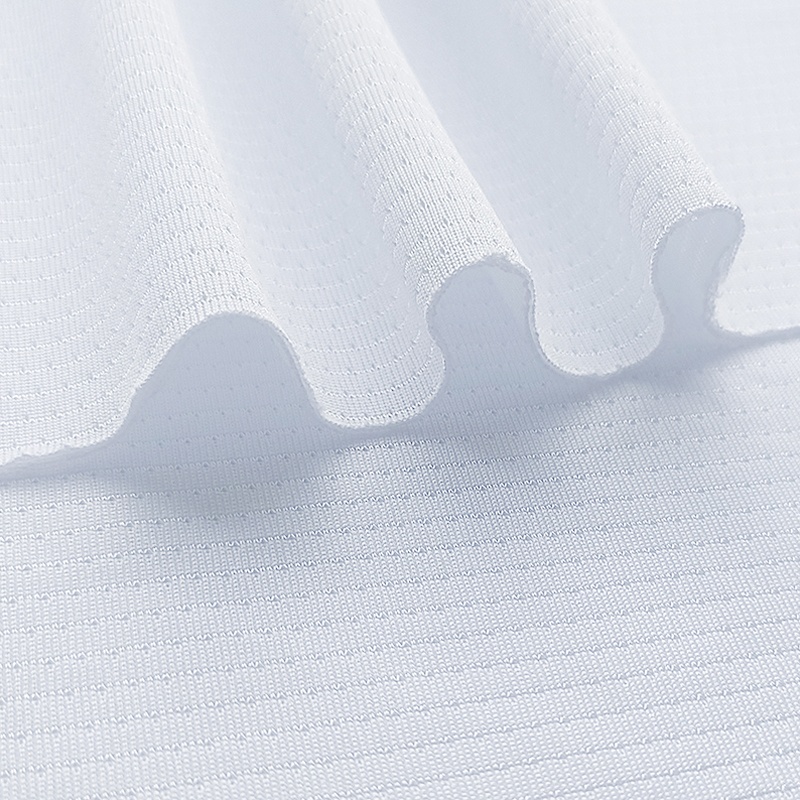
East Xinwei develops knitted fabrics for running shirts, gym wear, cycling apparel, yoga clothing, team uniforms, sports T-shirts, and other activewear applications.
Available development directions include cooling fabric, moisture-wicking jersey, quick-dry polyester fabric, breathable mesh, bird-eye structures, honeycomb fabric, stretch interlock, antibacterial fabric, UPF fabric, and recycled performance materials.
Different garments require different combinations of softness, airflow, stretch, coverage, and drying performance. A lightweight running shirt may use breathable mesh or jersey, while leggings and yoga wear may require a denser four-way stretch construction with cooling and moisture-management functions.
For sportswear brands and garment manufacturers, East Xinwei can recommend fabric directions based on the intended garment, composition, weight, width, color, stretch, hand feel, and functional requirements.
Comfortable summer sportswear begins with a fabric that helps manage heat, movement, and perspiration. By selecting breathable, lightweight, and quick-drying materials, consumers can enjoy a fresher wearing experience during exercise and daily activities.
Explore East Xinwei’s functional sportswear fabrics and share your product requirements to develop a suitable cooling textile solution.