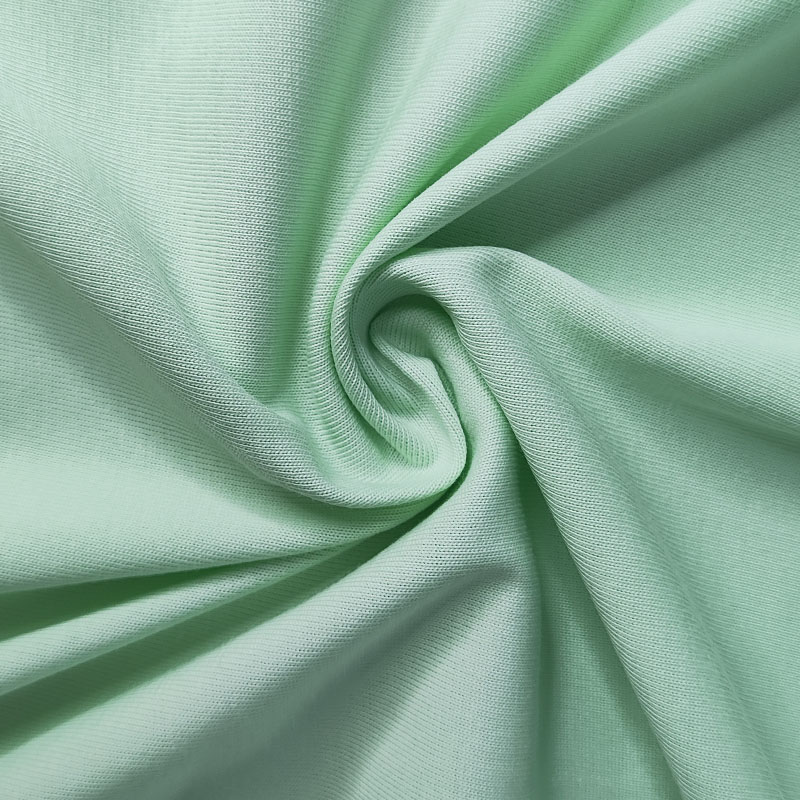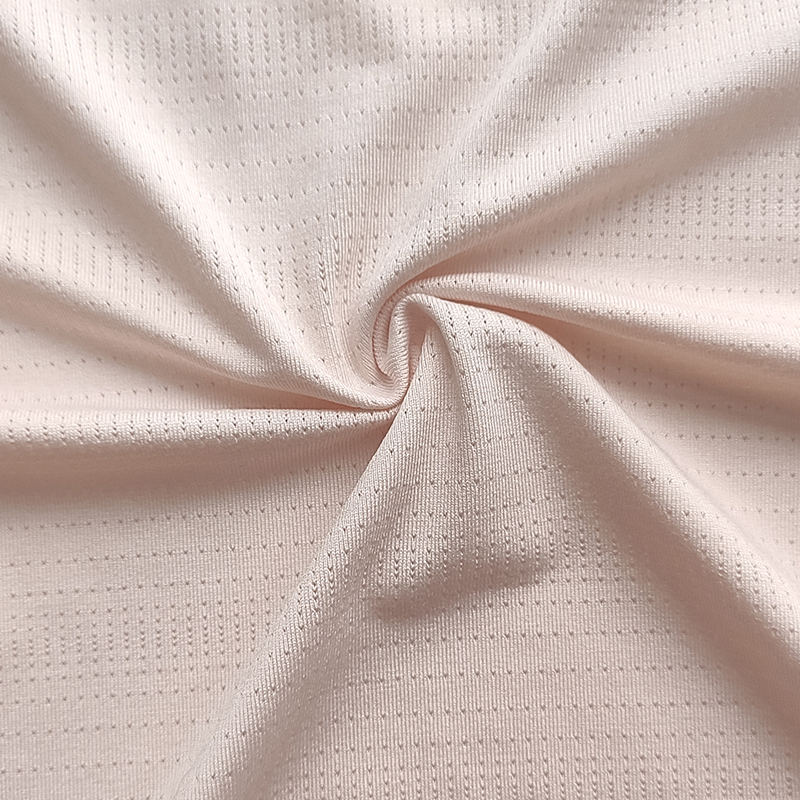
Polo shirt fabric is not one single textile. A polo can be made from textured piqué, smooth jersey, cotton, polyester, modal blends or stretch performance knits, and each combination changes how the finished garment looks, drapes and performs.
East Xinwei's current polo fabric range includes polyester piqué, cotton-modal constructions, cotton-polyester blends and stretch performance fabrics for both leisurewear and sports applications.
The useful question is therefore not simply, “What material is a polo made from?” It is how fiber composition, knit structure, GSM and finishing work together for the intended garment.
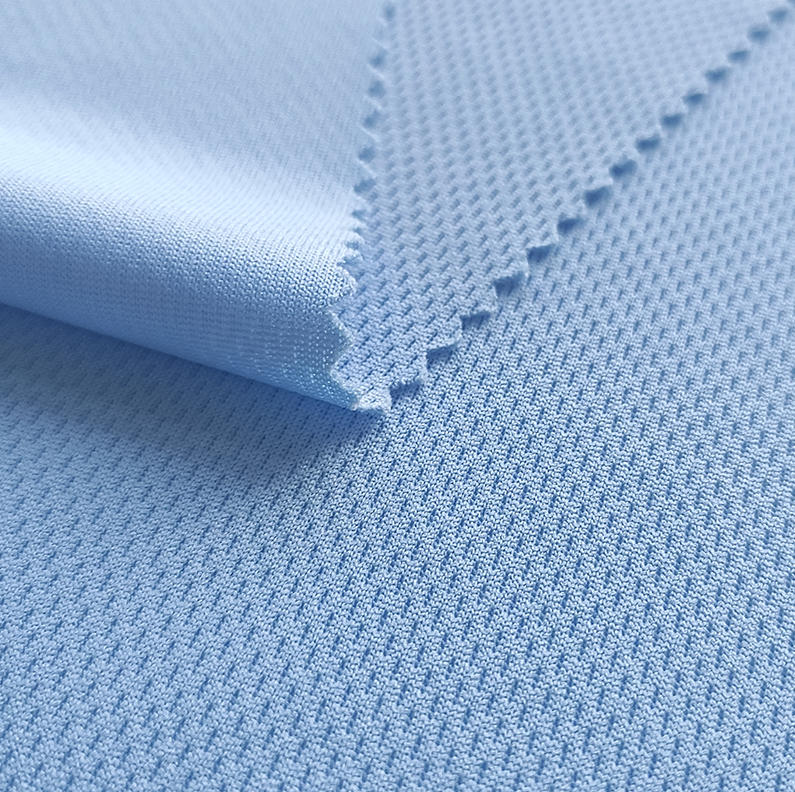
Piqué is closely associated with polo shirts because its textured knitted surface gives the garment more visual structure than a basic smooth jersey.
The raised or patterned surface can create small spaces within the knit, giving piqué a distinctive texture and helping the garment maintain a more structured appearance. This makes it particularly compatible with the collar-and-placket construction that visually defines a classic polo.
However, piqué describes a fabric structure, not a fixed fiber composition. It can be made from polyester, cotton or blended fibers.
East Xinwei's polo range demonstrates this clearly. Its portfolio includes 100% polyester quick-dry piqué as well as a 50% cotton / 50% modal polo construction, showing that similar polo styling can be built around very different fiber systems.
Piqué and jersey can both be used as polo shirt material, but their structures create different visual and wearing characteristics.
| Feature | Piqué | Jersey |
|---|---|---|
| Surface | Textured | Smooth |
| Appearance | More structured / classic | Softer / more modern |
| Drape | More controlled | Generally more fluid |
| Airflow | Depends on piqué structure | Depends on knit density |
| Typical direction | Classic and performance polos | Casual and lightweight polos |
Neither is automatically better.
Piqué tends to reinforce the traditional visual language of a polo because the textured surface gives the garment more body. Jersey can create a cleaner, softer appearance and may suit polos designed closer to T-shirt styling.
The important point is that knit structure changes the character of the garment even before fiber content is considered.
Different fibers change the balance of comfort, maintenance and performance.
Cotton and cotton-rich blends generally move the fabric toward a softer, more natural hand feel and greater moisture absorption. Modal can be blended with cotton to further influence softness and drape; East Xinwei currently offers a 50/50 cotton-modal polo fabric at 210 gsm.
Polyester polo fabrics shift the balance toward quicker drying, wrinkle resistance and dimensional stability. East Xinwei's polyester piqué options are positioned for quick-dry and performance-oriented polo applications.
Cotton-polyester blends combine characteristics of both fibers, while polyester or nylon combined with spandex can create higher stretch and recovery for active movement. East Xinwei's polo category specifically includes cotton-polyester and stretch performance directions.
This is why two polos with the same collar shape can feel completely different. The knit may look similar, but the fiber system changes moisture behavior, hand feel, recovery and care requirements.
A casual polo may primarily need softness, visual structure and comfortable everyday drape. A golf or performance polo has to solve additional problems.
The golf swing involves shoulder rotation, torso movement and repeated arm motion, so stretch and recovery become more important. Outdoor wear may also increase the value of moisture management, quicker drying and UV-oriented finishing.
East Xinwei currently positions polyester polo fabrics around quick drying and moisture management, while its stretch blends are developed for freer movement in activities such as golf. The company's polo application page also distinguishes everyday leisure requirements from more performance-driven use.
This means a highly comfortable casual cotton polo should not automatically be treated as the ideal performance polo, and a technical polyester polo does not automatically provide the hand feel desired for relaxed lifestyle wear.
The polo shirt fabric type should follow the garment's role.
GSM measures fabric weight in grams per square meter, but its effect goes beyond whether a polo feels “heavy” or “light.”
Lower GSM can support lighter garments and faster drying, but may also influence opacity, drape and perceived structure.
Higher GSM can add body, coverage and a more substantial hand feel, although greater weight does not automatically mean better quality.
Knit structure changes the meaning of GSM. A 200 gsm piqué and a 200 gsm jersey can still drape and ventilate differently because their constructions are not identical.
Application matters. A lightweight performance polo and a structured lifestyle polo may intentionally use different weight ranges.
East Xinwei's broader GSM guidance similarly notes that fabric weight affects coverage, breathability, drape, warmth, durability and garment feel, rather than serving as a simple quality score.
For that reason, GSM should always be interpreted together with composition and knit construction.
The collar and placket separate a polo from a basic T-shirt, and they also introduce additional structural requirements.
An extremely soft body fabric may feel comfortable but still need a more stable collar construction to avoid excessive curling, stretching or deformation. This is why many polo designs combine one structure for the body with another, such as rib knitting, around the collar or cuff.
East Xinwei's product range includes dedicated polyester knitted rib fabric for sportswear T-shirt collars and cuffs, illustrating how body and trim fabrics can play different roles within one garment.
Repeated laundering makes this particularly important. A polo can have excellent body fabric, but if the neckline loses shape or the collar rolls badly, the entire garment quickly appears less refined.
Polo fabric engineering therefore involves more than choosing a soft or breathable textile. The body, collar and placket need to retain a coherent silhouette together.
There is no universal polo shirt fabric because polos serve different purposes.
Piqué offers the textured, structured appearance closely associated with classic polo styling, while jersey creates a smoother and often softer direction. Cotton emphasizes natural hand feel, polyester supports easy-care and performance properties, and blends can balance comfort, durability and stretch.
GSM, knit structure and finishing matter just as much as fiber content.
The right textile therefore depends on whether the polo is designed for classic styling, everyday comfort, golf performance or technical sportswear.
Piqué, jersey, cotton, polyester and blended knits are all commonly used depending on the intended style and performance.
Piqué is a textured knit structure traditionally associated with polo shirts. It can be made from different fibers, including cotton and polyester.
Neither is universally better. Piqué generally looks more structured, while jersey creates a smoother and softer appearance.
Yes. Polyester is widely used for quick-dry, wrinkle-resistant and performance-oriented polo fabrics.
Golf polos commonly use lightweight polyester, polyester-spandex or other performance knits that combine movement, moisture management and shape recovery.
There is no single ideal GSM. The appropriate weight depends on knit structure, opacity, climate, garment style and intended use.
NEXT