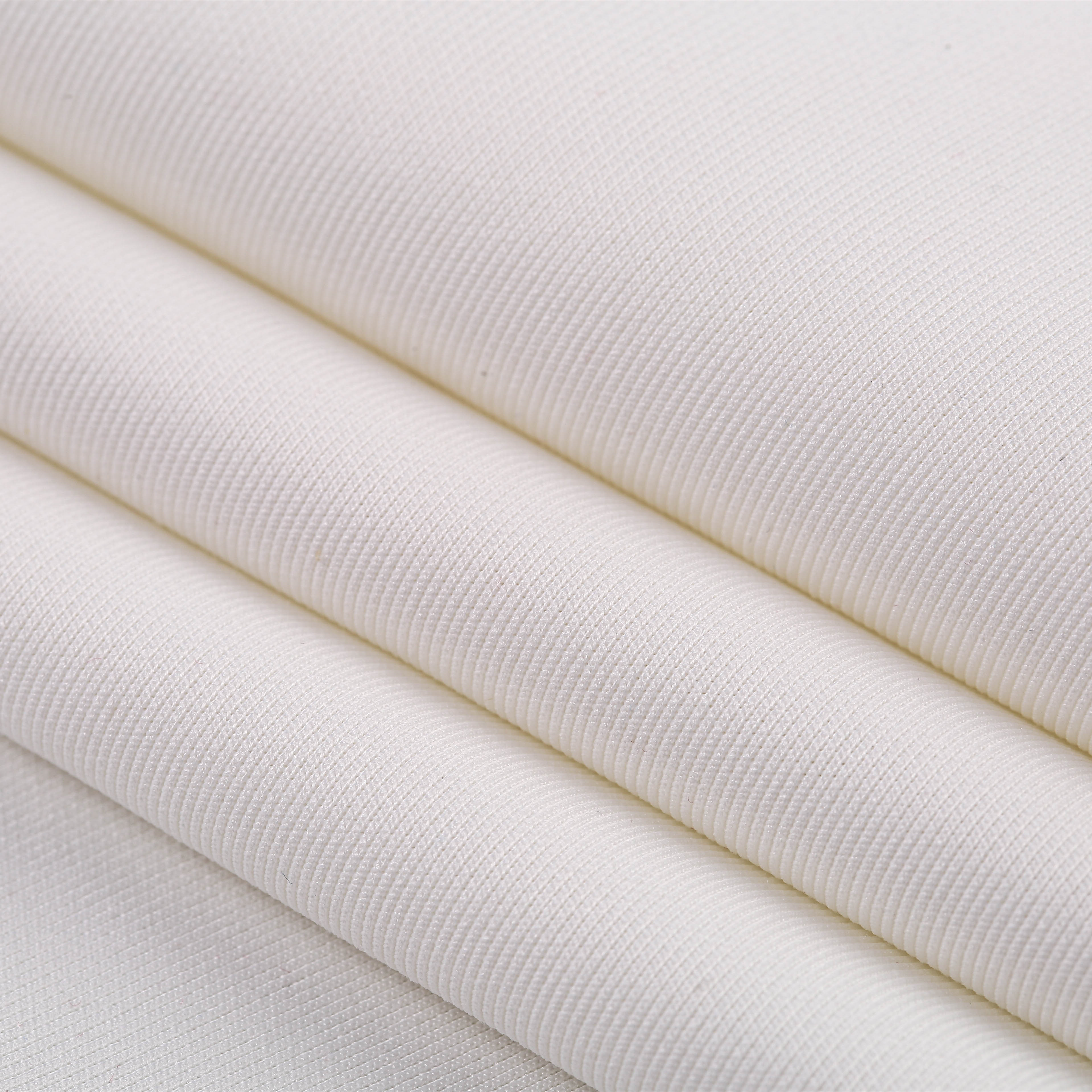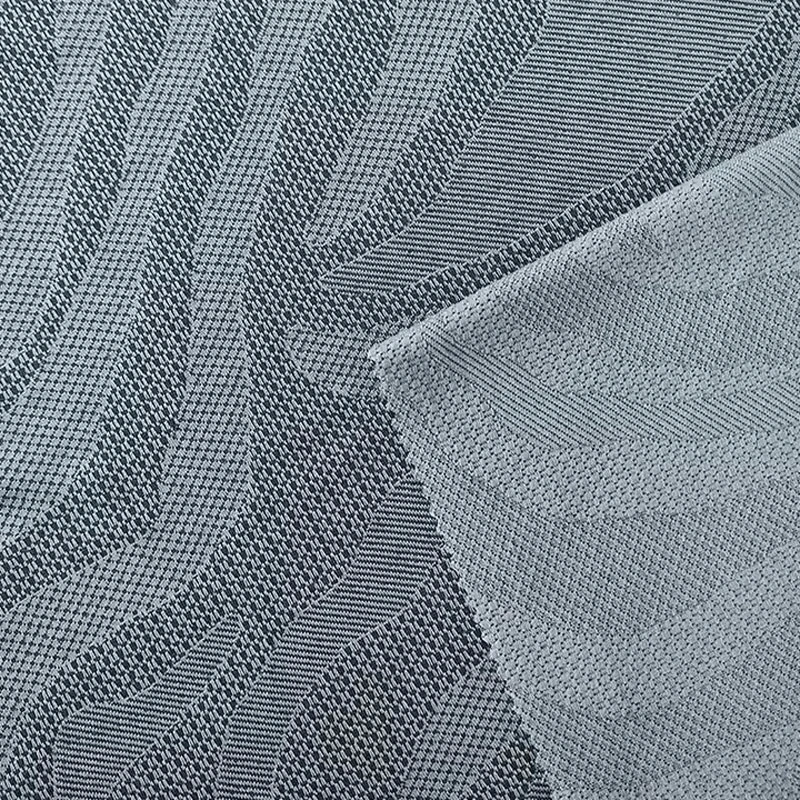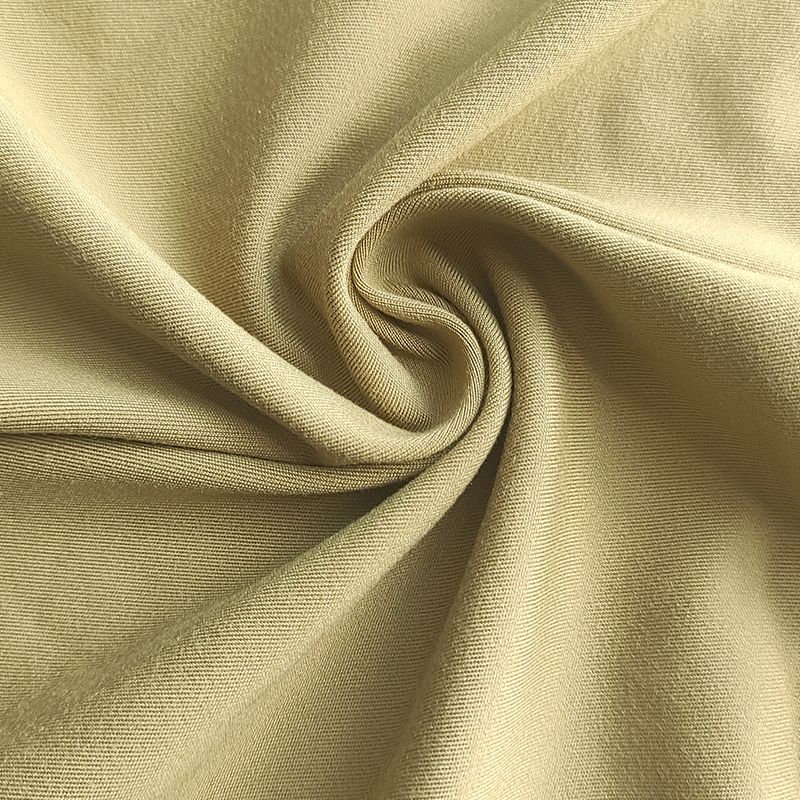
Fabric weight is one of the first specifications buyers review when developing sportswear. It affects coverage, breathability, drape, warmth, durability, printing, and the feel of the finished garment. However, selecting the right GSM is not as simple as choosing a heavier fabric for better quality or a lighter fabric for better comfort.
GSM means grams per square meter. It indicates how much one square meter of fabric weighs, but it does not directly describe thickness, softness, stretch, or performance. Two fabrics with the same GSM can feel different because of their fiber composition, yarn size, knitting structure, density, and finishing process.
Brands should therefore use GSM as one part of a complete specification. The intended garment, climate, activity level, fit, opacity requirement, and target cost should all be considered before sampling begins.
GSM provides a standardized way to compare fabric weight. A 150 GSM fabric is generally lighter than a 250 GSM fabric, but weight alone does not determine whether it is suitable for a particular garment.
When selecting sportswear fabric, buyers should review GSM together with composition, knit construction, usable width, stretch direction, recovery, shrinkage, surface texture, and functional finishing.
A compact polyester interlock may provide more coverage than an open mesh with a similar weight. A brushed fabric can feel thicker because its raised surface traps more air. Buyers comparing types of sportswear fabrics should therefore request physical samples rather than rely only on a GSM number.
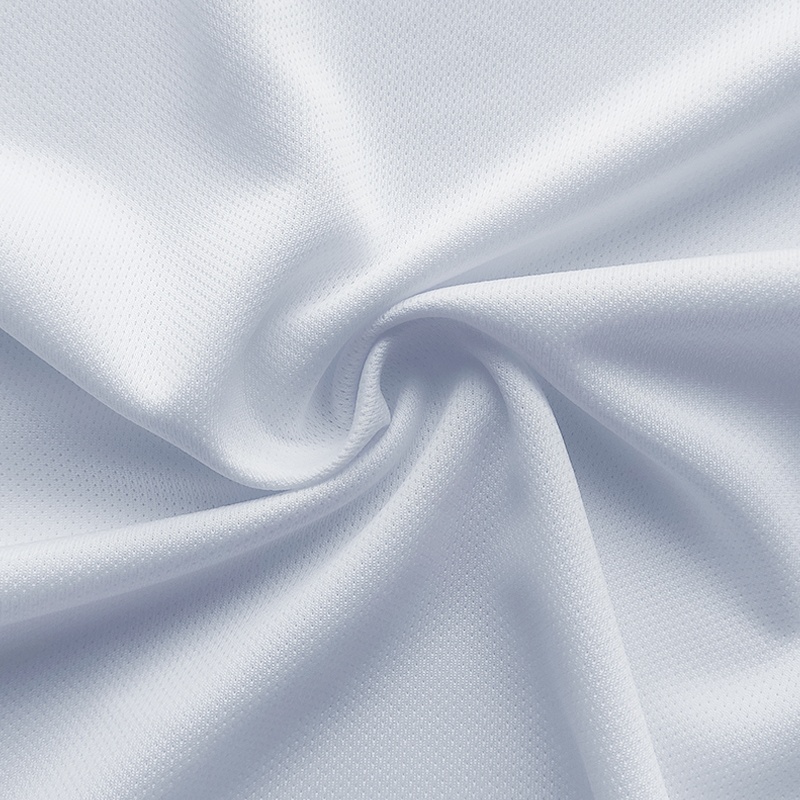
The following ranges are useful development starting points rather than fixed rules. The final specification should be confirmed through fabric and garment testing.
| Garment | Common Starting Range | Main Priorities |
|---|---|---|
| Running and training shirts | 120–180 GSM | Breathability and fast drying |
| Football and basketball jerseys | 120–180 GSM | Ventilation, printing, durability |
| Sports T-shirts | 150–210 GSM | Comfort, coverage, shape retention |
| Polo shirts | 180–240 GSM | Structure, drape, collar balance |
| Leggings | 220–300 GSM | Opacity, recovery, support |
| Sports bras | 230–320 GSM | Stability, coverage, compression |
| Tracksuits | 220–320 GSM | Structure, movement, durability |
| Hoodies and joggers | 280–400 GSM | Warmth, body, softness |
For leggings, low weight can improve flexibility, but an excessively light fabric may become transparent when stretched. A suitable leggings fabric must provide enough coverage at the intended color and stretch level.
Medium-weight nylon spandex or polyester spandex interlock is often selected because it can combine a smooth appearance, four-way stretch, and shape recovery. Higher GSM does not automatically prevent show-through, however. Knitting density, yarn coverage, fabric color, and stretch percentage are equally important.
When evaluating 4 way stretch fabric, brands should test:
Opacity during bending and stretching
Recovery after repeated extension
Waistband stability
Pilling resistance
Seam performance
Dimensional change after washing
Sports bras may require a firmer construction than matching leggings, especially for medium- or high-impact designs. The fabric must provide adequate stability without making the garment uncomfortable or restricting movement.
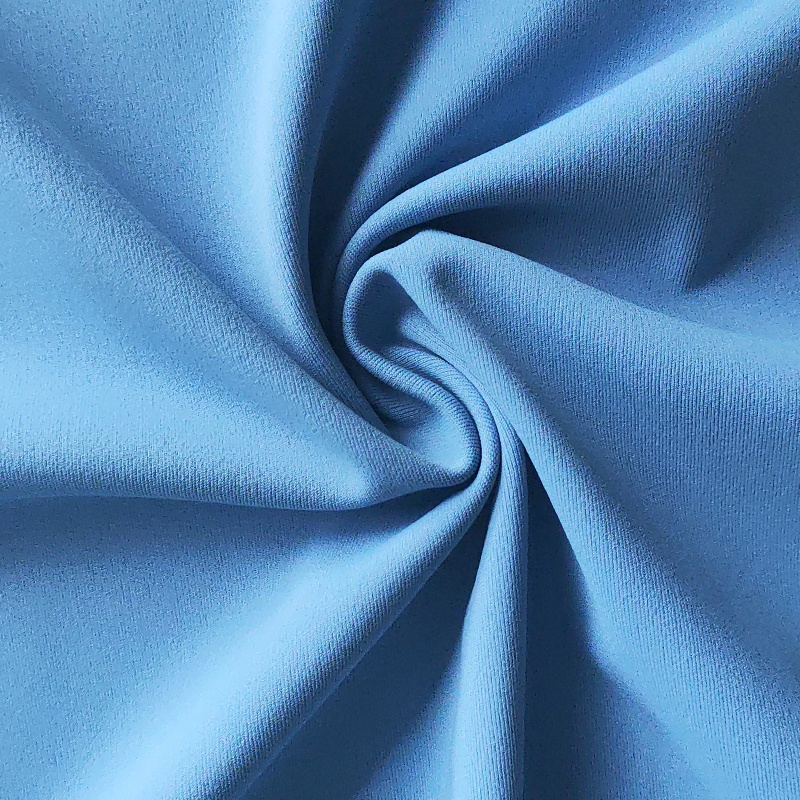
A lightweight football jersey fabric should help reduce heat buildup while supporting printing, seam strength, and repeated washing. Mesh, bird-eye, jacquard, and lightweight interlock structures are commonly used for football, basketball, running, and training apparel.
Very open mesh can improve airflow, but it may affect the sharpness of detailed printed graphics. A smoother polyester structure can provide a more even surface for printing while still supporting moisture management.
The final selection should balance:
Air permeability
Moisture spreading
Drying speed
Snagging resistance
Printing quality
Seam durability
Comfort against the skin
Some performance jerseys combine several fabric structures. A smooth main-body fabric may be paired with a more open mesh under the arms or across the back to improve ventilation in high-sweat areas.
Sports T-shirts generally sit between lightweight jerseys and heavier lifestyle garments. A lower GSM can suit hot-weather running, gym training, and promotional sportswear, while a medium weight normally provides better coverage and a less transparent appearance.
Fabric construction is just as important as weight. A lightweight polyester jersey may feel smooth and dry quickly, while bird-eye or honeycomb structures can create additional airflow. Cotton blends may provide a softer casual feel but usually manage moisture differently from polyester performance fabrics.
Buyers should also consider whether the T-shirt will be loose-fitting or close-fitting. A fitted garment normally needs better stretch, recovery, and coverage than a relaxed training shirt.
For polo shirt fabric, GSM is only one part of the decision. Pique structure, fiber composition, shrinkage, collar stability, surface pilling, and drape all influence the finished garment.
Cotton-rich pique can provide a traditional hand feel and breathable wearing experience. Polyester or recycled polyester pique can support faster drying, easier care, and functional finishing. Cotton-polyester blends may offer a balance between comfort and dimensional stability.
The body fabric should be approved together with the collar and cuffs. A body fabric that is too light may not balance well with a heavy rib collar, while a fabric that is too heavy can make the polo feel stiff in warm conditions.
Hoodies and joggers normally require more body and warmth than performance tops. French terry, fleece, double-knit polyester, cotton blends, and stretch sweatshirt fabrics are common options.
A heavier hoodie fabric may feel more substantial, but it can also increase garment weight, drying time, shipping cost, and heat retention. Buyers should select GSM according to the season, target climate, and market positioning rather than assuming the heaviest option is always the best.
For lightweight training tracksuits, a smooth polyester double knit may be more suitable than thick fleece. It can provide structure and durability without adding excessive warmth.
For autumn and winter hoodies, brushed fleece or heavier French terry can provide additional insulation and softness. Stretch may also be added when the garment requires greater freedom of movement.
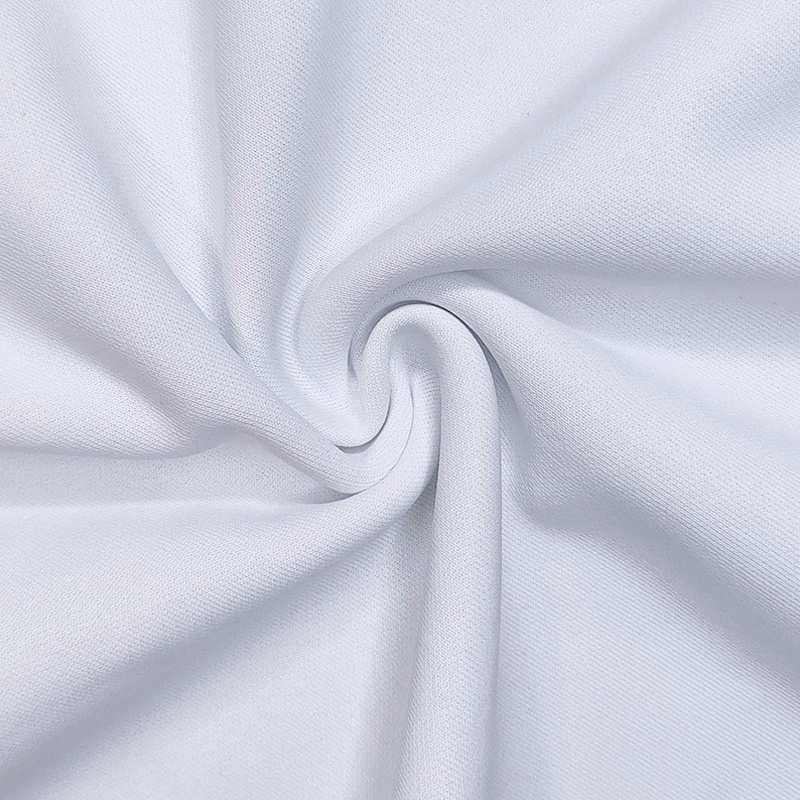
Fabric quality depends on more than weight. A heavy fabric can still have poor recovery, inconsistent color, excessive shrinkage, or an unstable surface. A lighter fabric can perform well when it uses suitable yarns, compact knitting, and controlled finishing.
The correct question is not simply, “What is the highest GSM available?” Instead, buyers should ask:
Does the fabric provide the required coverage?
Does it recover after stretching?
Is it comfortable in the intended climate?
Can it meet the required printing or dyeing process?
Does it maintain its width and weight after washing?
Is the fabric suitable for the garment’s price positioning?
Selecting excessive weight can increase material consumption and shipping cost without creating a meaningful improvement in garment performance.
GSM can change during dyeing, finishing, heat setting, and washing. Buyers should confirm whether a quoted weight refers to greige fabric, finished fabric, or finished fabric after washing.
A practical purchase specification should include:
Target finished GSM and permitted tolerance
Fiber composition
Finished usable width
Color and finishing requirements
Stretch and recovery
Shrinkage limits
Testing method
Approved sample or sealed standard
Measurements should be taken from several areas of the fabric because the edge and center of a roll may vary. Bulk inspection should compare GSM with width, appearance, color, and hand feel rather than checking weight in isolation.
East Xinwei supplies knitted fabrics for leggings, sports bras, jerseys, training shirts, polo shirts, tracksuits, hoodies, joggers, and other activewear products.
Available fabric directions include:
Polyester and polyester spandex fabrics
Nylon spandex fabrics
Mesh and jacquard structures
Cotton and cotton-blend fabrics
Pique fabric
French terry and fleece
Moisture-wicking and quick-dry finishes
Cooling, antibacterial, and UV-protection options
Recycled polyester and recycled nylon fabrics
For a more accurate recommendation, buyers should provide the garment type, target GSM, composition, usable width, color, stretch requirement, hand feel, intended market, estimated quantity, and required tests.
Choosing the right fabric GSM requires more than matching a garment name to a standard weight range. GSM should be assessed together with composition, knitting structure, density, stretch, opacity, finishing, climate, and end-use requirements.
Lightweight fabrics can improve ventilation and reduce garment weight, while medium- and heavyweight fabrics can provide greater coverage, structure, warmth, or support. The best choice is the fabric that meets the finished garment’s performance and appearance requirements after testing.
East Xinwei supports fabric selection and sample development for different sportswear applications. Brands and garment manufacturers can provide their target garment specifications to compare suitable fabric constructions before moving into bulk production.